
What Actually Happens During the Hardwood Floor Refinishing Process: Timeline, Dust, Fumes and Living at Home
Deciding to refinish your floors is the easy part. The questions that follow are what keep homeowners up at night. How long will it take? Will my house be coated in dust? Are the fumes safe? And the big one: can we actually keep living here while it happens? These are fair concerns, and the honest answers are far more reassuring than most people expect. In this guide, the Sandover Floors team walks you through the entire hardwood floor refinishing process from start to finish, so you know exactly what to expect before the first sander is switched on. If your floors are ready for a refresh, our hardwood floor refinishing service handles every step below.
The Hardwood Floor Refinishing Process, Step by Step
At its heart, refinishing follows the same logical sequence every time. Understanding each stage takes the mystery out of the whole project.
Preparation and Repairs
First, the room is cleared and the floor is inspected board by board. Loose planks are secured, popped nails are set, and any boards too damaged to sand are addressed. This is when a targeted hardwood floor repair happens, because sanding over damaged wood only locks the problem in. Skipping proper prep is one of the most common reasons a refinishing job disappoints.
Sanding
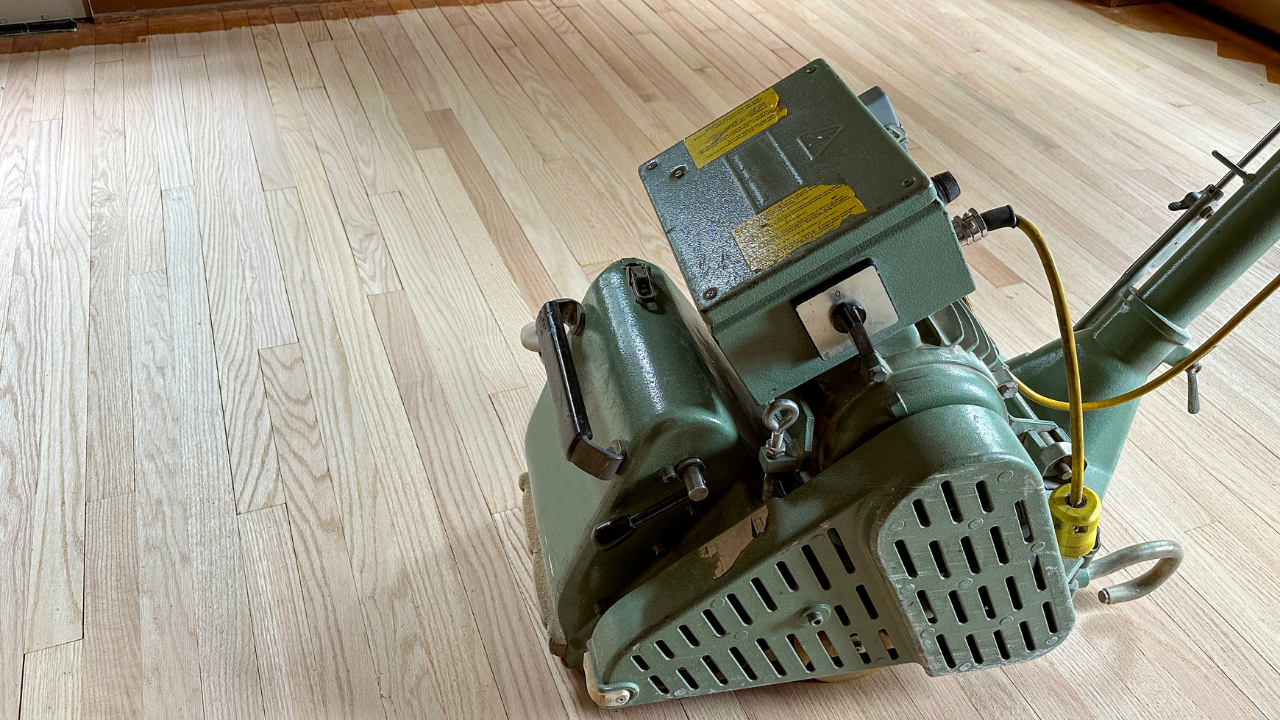
Next comes sanding, the stage that does the heavy lifting. Using a sequence of grits from coarse to fine, the old finish, scratches, and discoloration are removed to reveal fresh, raw wood underneath. A professional crew can typically sand around 1,500 to 2,000 square feet in a day, so most average homes are sanded in a single day.
Staining (If You Choose)
With the wood bare, you have the option to change its color. If you want a new tone, hardwood floor staining is applied at this point, with samples tested on your actual floor first. Staining adds at least one day to the overall timeline, since the stain needs to dry before finishing begins.
Applying the Finish
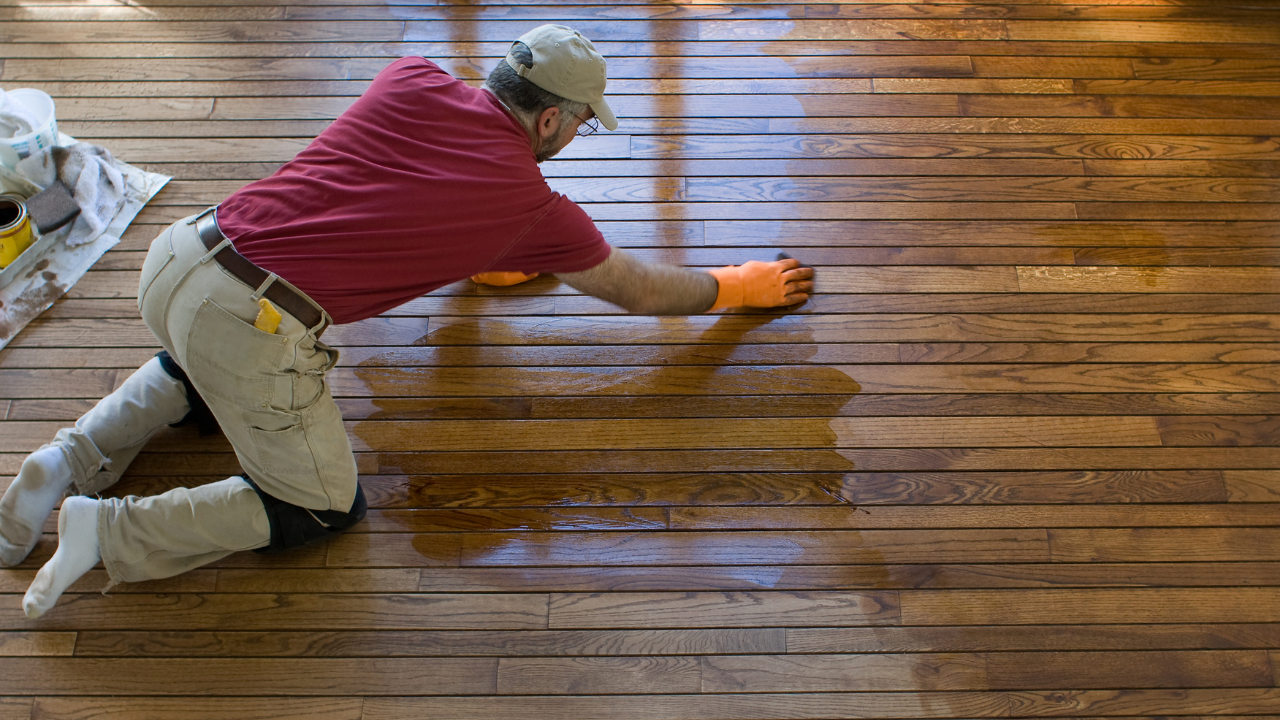
Finally, protective finish coats seal and protect the floor. This is where your choice of finish shapes everything that follows, including how long the job takes and how your home smells while it happens.
How Long Does Refinishing Take? A Realistic Timeline
Most homeowners are surprised by how quickly the active work goes, and equally surprised by how long the finish takes to fully harden afterward. These are two different things, and knowing the difference prevents costly mistakes.
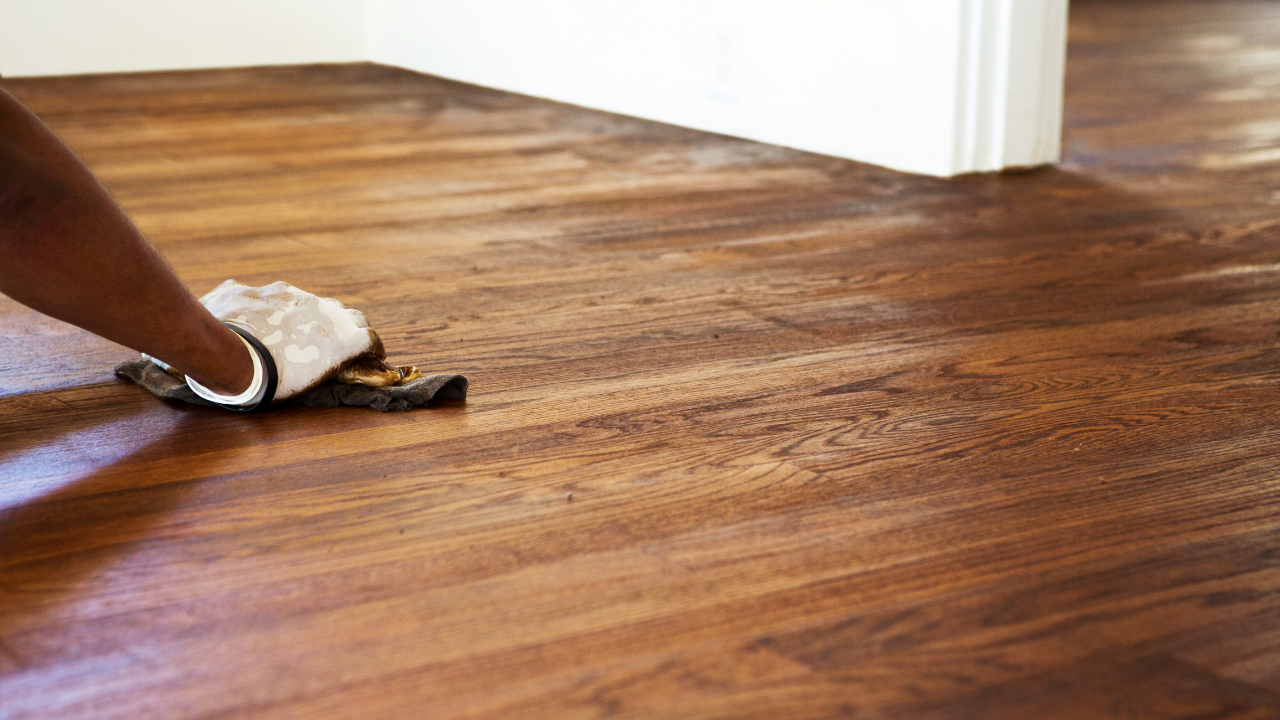
The hands-on work usually takes three to five days. The single biggest variable is your finish. Water-based polyurethane dries in just two to four hours between coats, so two or three coats can go on in a single day, and a straightforward natural refinish is sometimes completed in a day or two. Oil-based polyurethane needs roughly eight hours or more between coats, meaning only one coat per day, which stretches the same job to three to five days.
After the last coat, patience becomes essential. Here is a realistic guide, keeping in mind that Vancouver's damp, humid air can slow drying:
Walking in socks: usually after about 24 hours
Moving furniture back: three to seven days, always on felt pads
Replacing area rugs: wait until the finish has cured, roughly two weeks for water-based and up to 30 days for oil-based
Keeping pets off: one to two weeks, since paws and claws can mar a soft finish
A helpful rule of thumb: as long as the finish is still giving off any odor, it is still curing.
What About the Dust?
Dust is the number one fear, and modern equipment has largely solved it. Today's sanding systems capture the vast majority of dust at the source, right where the abrasive meets the wood, rather than letting it billow through your home. Clients are routinely amazed at how clean their houses stay compared to the horror stories they were expecting.
That said, no system is 100 percent dustless, and a fine layer can settle on nearby surfaces. A good crew cleans up at the end of each day and does a thorough final clean before finishing. Closing doors to unaffected rooms and removing wall hangings near the work area helps keep everything tidy.
Fumes, VOCs and Your Air Quality
This is where your finish choice matters most for your comfort and health. Finishes release volatile organic compounds, or VOCs, as they dry, and the two main types differ dramatically. Oil-based polyurethane carries high VOC levels, often around 450 to 500 grams per litre, along with a strong, lingering smell. Water-based polyurethane is far gentler, typically in the 100 to 275 grams per litre range, with minimal odor, and it dries clear without yellowing the wood.
Because VOCs can cause symptoms like headaches or irritation at high concentrations, ventilation matters during any refinishing job. Health Canada offers clear guidance on volatile organic compounds and indoor air that is worth a read. For households with children, pets, or anyone with asthma or respiratory sensitivities, low-VOC water-based finishes are usually the better choice. It is exactly why we favor durable, low VOC finishes that keep your indoor air healthier during and after the project.
Can You Live at Home During Refinishing?
Now for the question everyone asks. The answer depends almost entirely on your finish and your household.
With a low-odor water-based finish, many families comfortably stay home throughout the project. The important catch is that you cannot walk on the floors while they are being finished and drying, so you will lose access to those rooms for a day or two. If the work is in a kitchen or a main hallway, that can be a real inconvenience worth planning around.
With an oil-based finish, the strong fumes mean it is generally recommended to stay elsewhere for three to five days during and just after application, especially for anyone sensitive to odors. As an alternative, floors can sometimes be done one area at a time using plastic sheeting to seal off rooms, which preserves access to the rest of the home but does lengthen the overall project.
A few practical tips make staying home easier: keep windows open for cross ventilation, set up a temporary path to essential rooms, plan meals that do not require the affected kitchen, and keep pets safely away from wet finish.
Why Vancouver Homeowners Trust Sandover Floors
A smooth refinishing experience comes down to preparation, communication, and the right materials. Sandover Floors has been refinishing floors across Greater Vancouver and the Fraser Valley since 1939, and three generations of the same family have refined every step of the process. From full hardwood floor restoration of century-old floors to straightforward refreshes, we set honest expectations up front.
Our clients consistently mention how clean our job sites stay, how closely we stick to the timeline we promise, and how we take the time to explain finish options rather than rushing the decision. We use modern dust containment and low VOC finishes so your home stays as livable as possible from start to finish.
Knowing What to Expect Makes All the Difference
The hardwood floor refinishing process sounds daunting from the outside, but broken into its steps it is straightforward and predictable. The active work typically takes three to five days, modern equipment keeps dust to a minimum, and choosing a low-VOC water-based finish means gentler fumes and, in many cases, the ability to stay in your home throughout. The real key is simply knowing what to expect and planning around the drying and curing times.
If you are considering refinishing and want a clear, honest picture of the timeline for your specific home, we are happy to help. Contact our Vancouver team for a free, no-obligation assessment and we will walk you through exactly what your project would involve.
Frequently Asked Questions
How long does the hardwood floor refinishing process take from start to finish?
The active work usually takes three to five days, depending on the size of your home, whether you add stain, and your finish type. Water-based finishes are faster, sometimes completed in a day or two, while oil-based finishes take longer. After that, the finish needs additional time to fully cure before rugs go back down.
Is refinishing really as dusty as people say?
Not with modern equipment. Today's dust containment systems capture most dust right at the sanding surface, and a professional crew cleans thoroughly throughout the job. A fine layer can still settle nearby, but the clouds of dust many homeowners fear are largely a thing of the past.
Are the fumes from refinishing dangerous?
Finishes release VOCs as they dry, and levels vary widely by product. Oil-based finishes have strong fumes and high VOCs, while water-based finishes have low odor and much lower VOCs. Good ventilation is important either way, and low-VOC water-based options are recommended for homes with children, pets, or respiratory sensitivities.
Can I stay in my house during the hardwood floor refinishing process?
Often yes, especially with a low-odour water-based finish, though you will lose access to the rooms being worked on while they dry. With an oil-based finish, it is usually best to stay elsewhere for a few days due to the fumes. Your flooring professional can recommend the best approach for your household.
When can I put my furniture and rugs back after refinishing?
Furniture can usually return in three to seven days, always on felt pads. Area rugs should wait until the finish has fully cured, which is roughly two weeks for water-based finishes and up to 30 days for oil-based, to avoid trapping solvents and creating uneven sheen.