
Douglas Fir Flooring in Vancouver Heritage Homes: Restoration, Refinishing and What to Expect
Pull back a tired old carpet in a Vancouver character home and there is a good chance you will find something wonderful underneath: original Douglas fir flooring, quietly waiting under decades of dust. These warm, honey-toned floors are part of the soul of our city's heritage houses, and with the right care they can look every bit as beautiful as the day they were laid a century ago. But fir is its own kind of wood, and restoring it well takes knowledge that generic flooring advice simply does not cover. In this guide, the Sandover Floors team explains what makes these floors special, what to expect from a hardwood floor restoration, and how to make the right choices for your home.
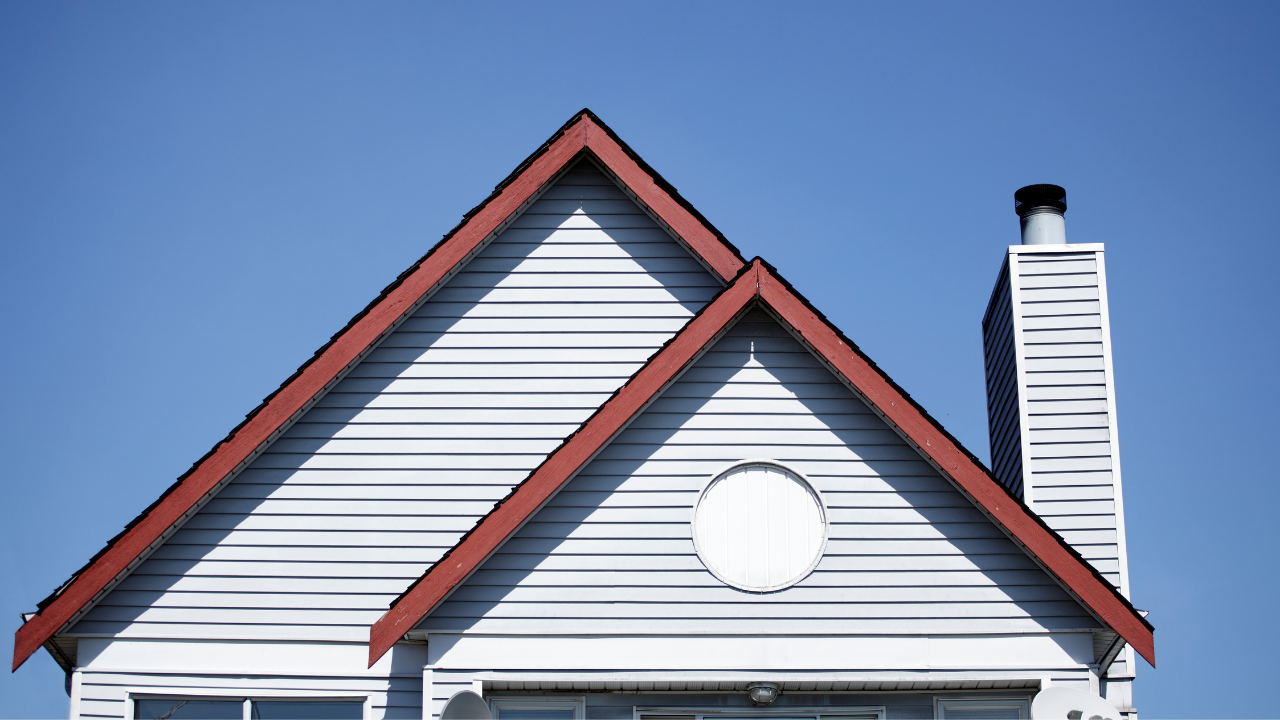
Why Douglas Fir Flooring Is So Common in Vancouver Heritage Homes
To understand these floors, it helps to understand our local history. Douglas fir is native to the Pacific Northwest and grows all along coastal British Columbia, including right here on Vancouver Island. When the city's older homes were being built, roughly from the early 1900s through the 1940s, fir was abundant, affordable, and close at hand, so it ended up underfoot in thousands of houses.
You will find original fir floors throughout Vancouver's most historic neighbourhoods, from Strathcona and Grandview-Woodland to Kitsilano, Mount Pleasant, and Point Grey. Much of it is old-growth vertical grain fir, prized for its tight, straight grain lines and rich reddish-amber color. That kind of slow-grown wood is increasingly rare and difficult to replace today, which is exactly why preserving what you already have matters so much.
Caring for any character home comes with unique considerations, and the Vancouver Heritage Foundation offers helpful guidance on maintaining original features rather than replacing them. Your floors are one of the most rewarding of those features to save.
What Makes Douglas Fir Different to Work With
Here is the single most important thing to know: Douglas fir is a softwood. Despite its name, it is not a true fir at all, and it sits much lower on the Janka hardness scale than common hardwoods, around 660 compared to roughly 1,290 for red oak. That softness shapes everything about how these floors behave and how they should be handled.
Because fir is soft, it dents and scratches more easily than oak or maple. A century of life leaves its mark, and that is part of the character. It also means the wood ambers and deepens in tone over the years, developing a patina that many homeowners fall in love with. Fresh from the mill, fir is lighter and more orange than the aged floor you are used to seeing.
The softness affects restoration too. Fir can raise its grain or splinter if sanded carelessly, and staining is famously tricky, a topic worth its own section below. None of this is a reason to avoid the work. It simply means experience counts for a great deal.
Restoring Original Douglas Fir Floors
Restoration begins with an honest assessment. Before any sanding, the floor is inspected board by board for gaps, cupping, water damage, old paint or finish, and any boards that have worked loose over the decades. Old fir floors often have small gaps that open and close with the seasons as the wood responds to humidity, which is completely normal in our coastal climate.
Most original fir floors are in far better shape than they look under the grime. That said, fir's softness means some areas, especially spots with heavy wear or old water damage, occasionally cannot be sanded out. When individual boards are too far gone, a targeted hardwood floor repair replaces or patches them. Matching new wood to old-growth fir is genuinely difficult given how rare that tight vertical grain has become, so skilled sourcing and blending make all the difference between a repair that vanishes and one that stands out.
Refinishing Douglas Fir: What to Expect
Refinishing is where these floors come back to life, and it is also where fir's soft nature demands the most care. Because the wood is soft, and because many heritage floors have already been sanded once or twice in their long lives, an experienced craftsman sands conservatively to preserve as much of the irreplaceable wood as possible. Aggressive sanding can raise the grain, leave a fibrous surface, or in the worst cases cut down toward the tongue and groove.
There is another surprise worth preparing for. Once the aged surface is sanded away, the fresh wood underneath often looks noticeably lighter and more orange than the deep amber patina you were used to. Do not worry. Fir naturally re-ambers over time, and the color will warm again in the years ahead.
In some cases, a full sanding is not even necessary. If the existing finish is worn but the wood is sound, a gentle screen and recoat can refresh the surface while preserving the patina. When a full refresh is the right call, our hardwood floor refinishing uses careful technique and low VOC finishes to protect both your floor and your home's air quality.
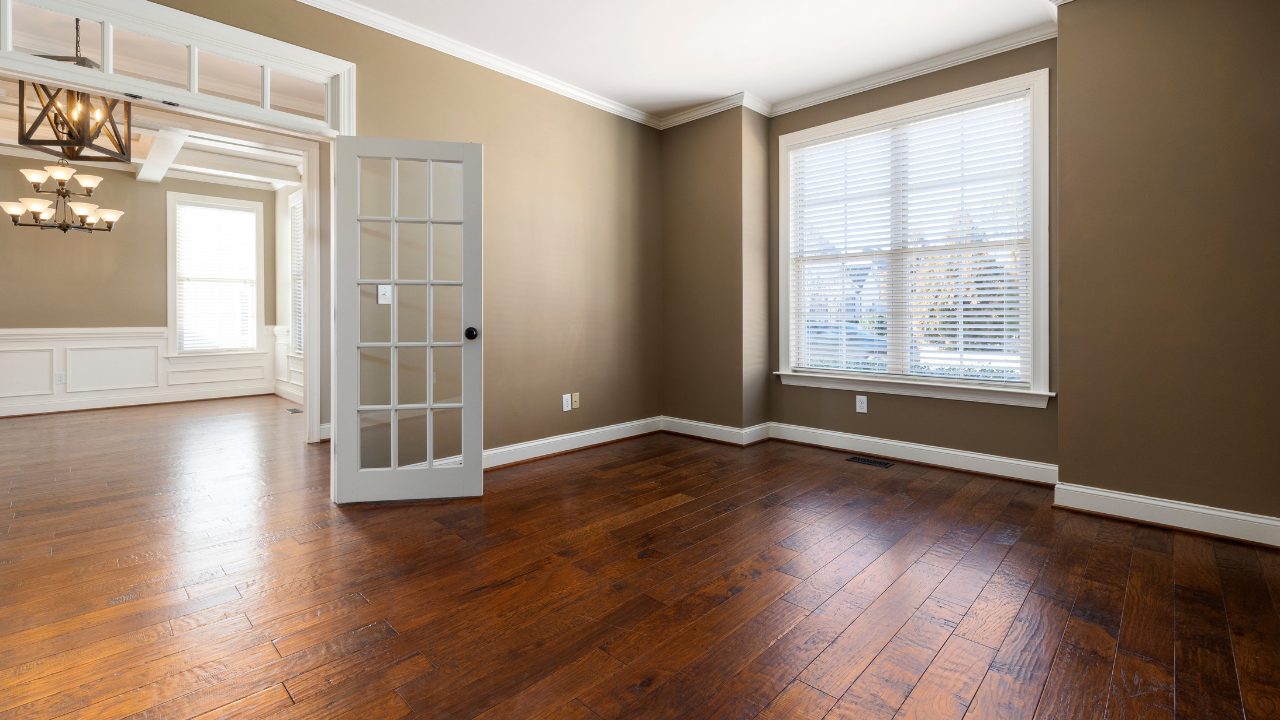
To Stain or Not to Stain Douglas Fir
This is the conversation that surprises many homeowners. Douglas fir does not take stain the way hardwoods do. Its uneven density, with soft early wood beside harder growth rings, causes stain to absorb unevenly, which can leave a blotchy result. Its natural yellow and orange undertones also tend to fight dark stains, sometimes muddying rich browns into unexpected tones.
For that reason, many flooring professionals gently encourage homeowners to embrace fir's natural coloring rather than force it to imitate walnut or a dark hardwood. A clear penetrating finish or a natural hard wax oil lets the wood's own warmth and grain shine, which is often exactly what suits a heritage home.
If you do want to add color, it can be done, but preparation is everything. A wood conditioner or a gel stain helps control blotching, and testing on a hidden area first is essential. Our hardwood floor staining service always includes samples on your actual floor, so there are no surprises before we commit to the whole room.
Why Vancouver Homeowners Trust Sandover Floors
There is a certain poetry to our work on these floors. Sandover Floors has been caring for hardwood across Vancouver since 1939, which means we have been in business since the very era when many of these fir floors were first installed. Three generations of the same family have refined the craft of restoring, repairing, and refinishing them.
That experience shows in the details that matter most with fir: knowing when to sand and when to simply recoat, matching new boards to century-old grain, and guiding homeowners toward finishes that honor the wood. From heritage homes in Strathcona and Kitsilano out to the Fraser Valley, our clients consistently praise how seamlessly we tie old and new together while keeping the character they love.
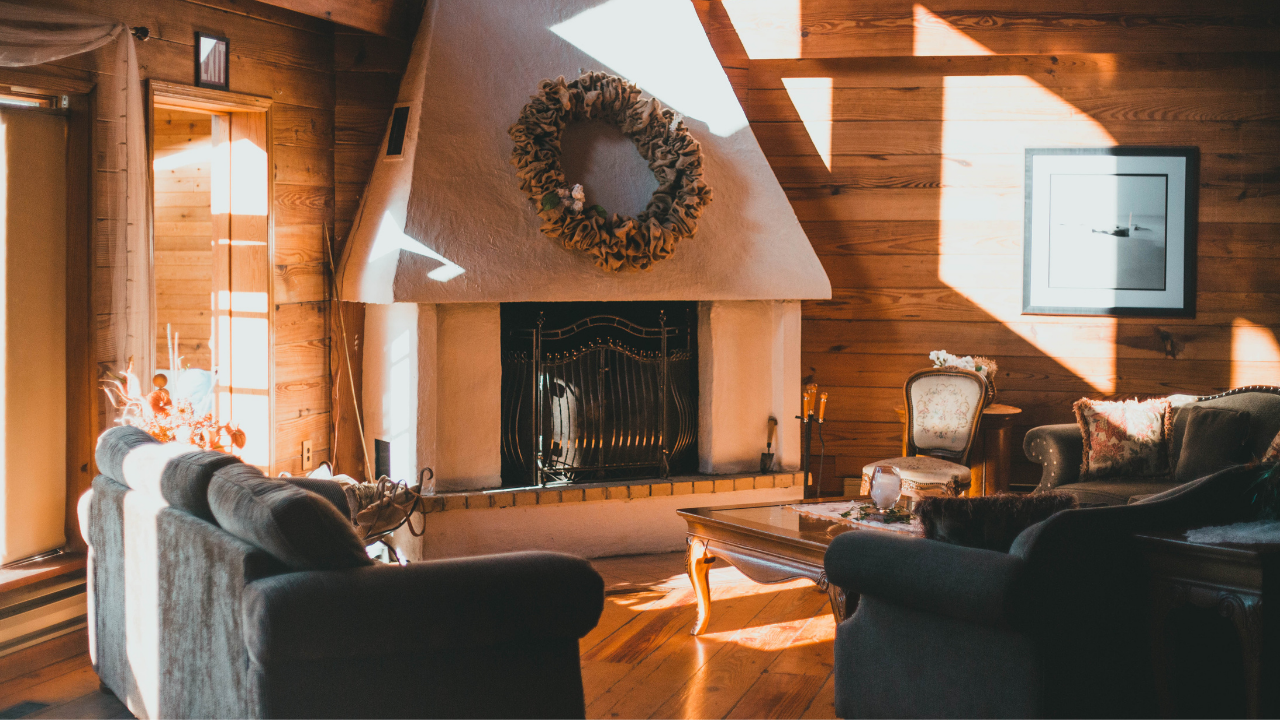
Preserving a Piece of Vancouver's History
Original Douglas fir flooring is one of the great gifts of a Vancouver heritage home. It is warm, storied, and increasingly rare, and in the vast majority of cases it can be brought back to stunning life rather than torn out and replaced. The keys are respecting the wood's softness, sanding conservatively, and making thoughtful choices about color and finish. Handled with care, these floors have many more decades of beauty ahead of them.
If you have discovered fir floors in your home, or your existing ones are ready for a refresh, we would love to help you plan the right approach. Reach out to our team for a free, no-obligation assessment and let us help you preserve a piece of Vancouver's history.
Frequently Asked Questions
Can old Douglas fir flooring really be restored, or is it better to replace it?
In most cases, restoration is absolutely the better choice. Original old-growth fir has a tight grain and character that is difficult and expensive to replicate today. Unless boards are structurally compromised or damaged beyond sanding, restoring and refinishing your existing floor almost always delivers a more beautiful and valuable result than replacement.
Why is my Douglas fir flooring so much softer than my friend's oak floors?
Douglas fir is a softwood, sitting around 660 on the Janka hardness scale, while oak is roughly 1,290. That means fir dents and scratches more easily. It is part of the wood's nature and part of its charm, but it does mean these floors benefit from felt pads, rugs in high-traffic areas, and a bit of extra everyday care.
Should I stain my Douglas fir floors a dark color?
You can, but it takes care. Fir tends to absorb stain unevenly and can blotch, and its warm undertones often resist dark browns. Many homeowners find that embracing fir's natural amber tone with a clear or natural finish looks best in a heritage home. If you do want to stain, proper conditioning and testing are essential.
Will my refinished fir floor look different than it did before?
Initially, yes. Sanding removes the aged surface and exposes fresher wood that usually looks lighter and more orange than the deep patina you were used to. This is completely normal. Fir naturally darkens and re-ambers over time, so the warmth returns in the months and years after refinishing.
How many times can Douglas fir flooring be refinished?
It depends on how thick the wear layer is and how many times the floor has already been sanded. Because fir is soft and many heritage floors have been refinished before, a skilled professional sands conservatively to preserve the wood. A proper assessment can tell you how much life your particular floor has left.