
Vinyl Plank Flooring vs Laminate vs Hardwood: Which Floor Is Right for Your Home?
If you're planning a flooring project, you've likely spent time weighing up the options. The vinyl plank flooring vs laminate conversation comes up constantly, but it rarely tells the full story - because for many homeowners, real hardwood is still very much in the picture. Each of these three options has genuine strengths, and the right choice depends on your home, your budget, and how long you're planning to stay. Sandover Floors has been helping Vancouver and Fraser Valley homeowners navigate exactly these decisions since 1939.
This guide breaks down all three options honestly, side by side, so you can make a decision you'll feel confident about.
What Is Vinyl Plank Flooring?
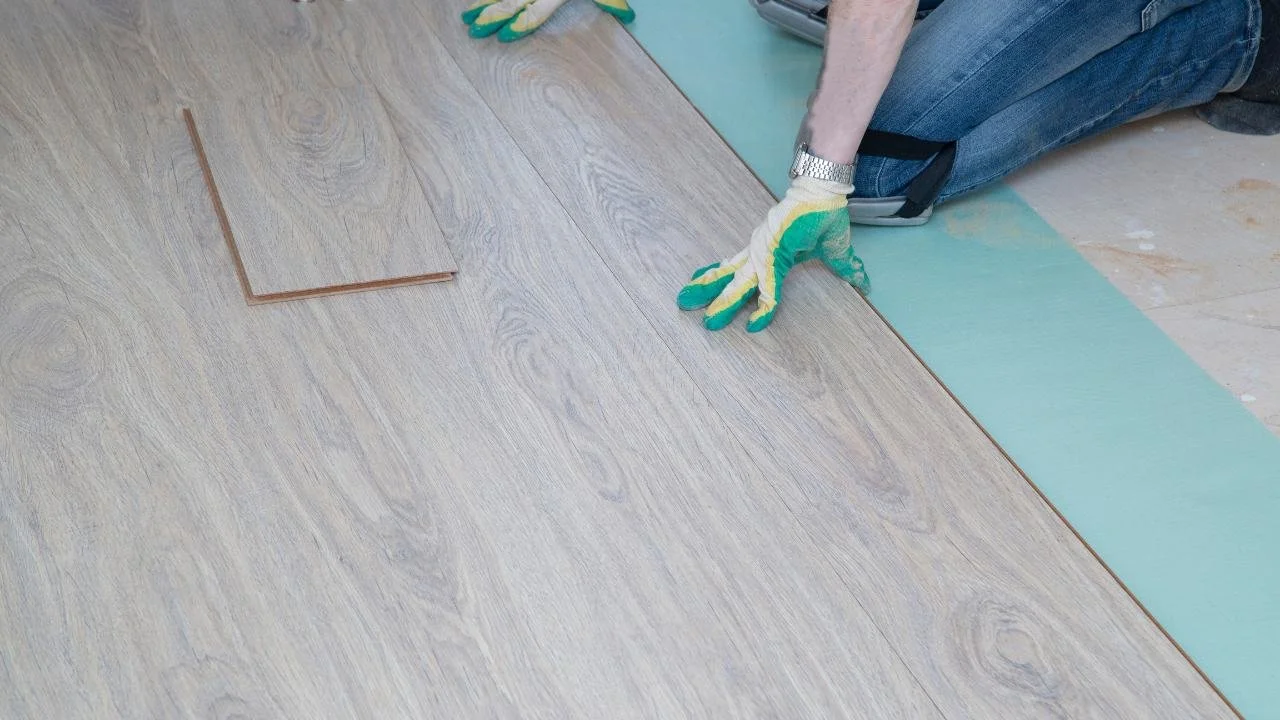
Vinyl plank flooring - often referred to as LVP (luxury vinyl plank) - is a fully synthetic flooring product made primarily from PVC. A photographic layer printed to resemble wood grain sits beneath a clear protective wear layer, giving it a wood-like appearance without any actual wood in the construction.
Key characteristics of vinyl plank flooring:
Fully waterproof - the PVC core is impervious to moisture
Softer and more flexible underfoot than wood or laminate
Easy to install using a click-lock system - popular for DIY projects
Wide price range depending on wear layer thickness and overall quality
Cannot be refinished - when the wear layer is gone, the floor needs replacing
What Is Laminate Flooring?
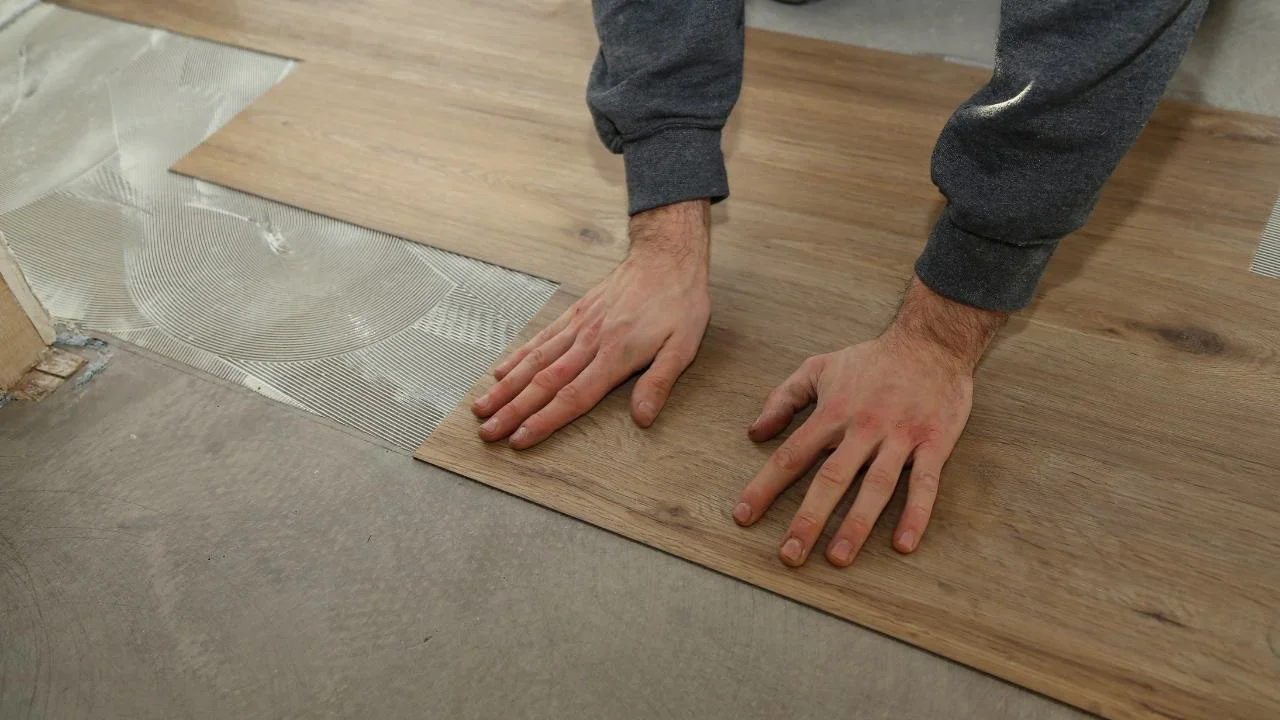
Laminate is a multi-layer product built around a high-density fibreboard (HDF) core. Like vinyl plank, it uses a photographic layer to mimic the appearance of wood, protected by a hard top coat. It was one of the first mainstream wood-look alternatives and remains widely used in mid-range renovations.
Key characteristics of laminate flooring:
Harder and more rigid underfoot than vinyl plank
Not waterproof - the HDF core is vulnerable to moisture and prone to swelling
Generally lower cost than vinyl at entry-level price points
Cannot be refinished - it has a fixed lifespan regardless of maintenance
Can feel and sound hollow underfoot, particularly without quality underlayment
What Is Hardwood Flooring?
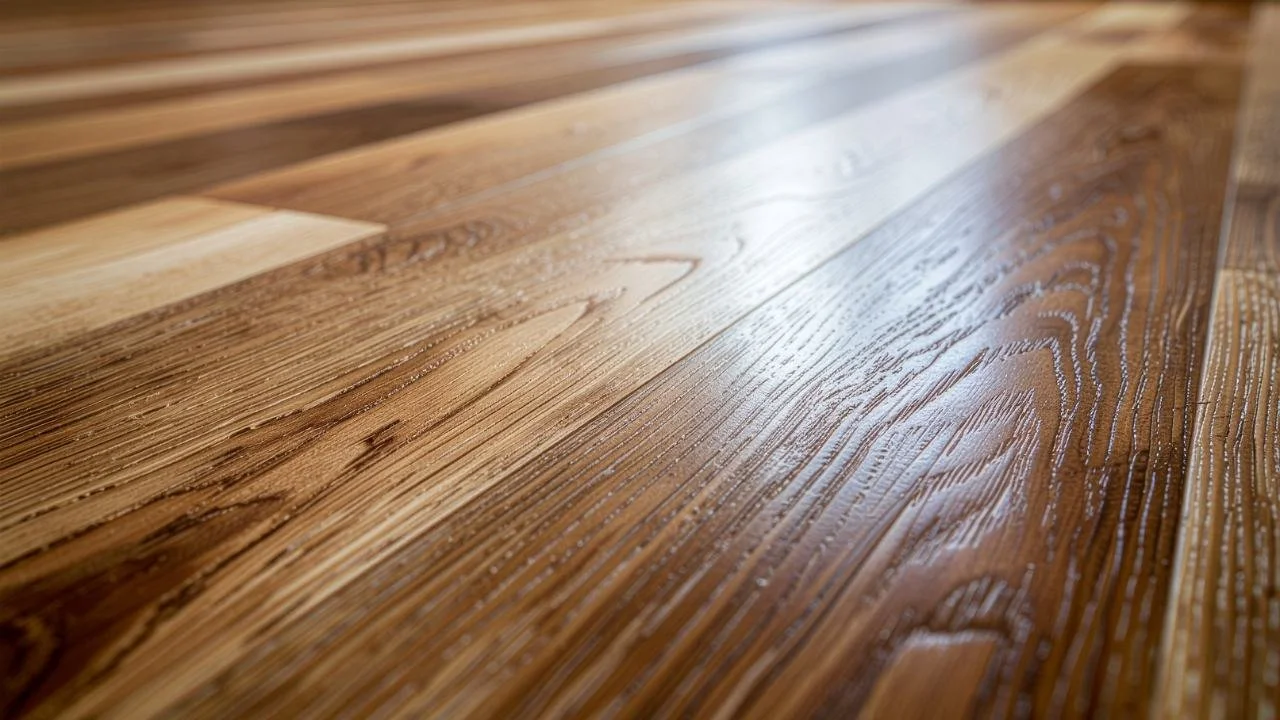
Hardwood is exactly what it sounds like - solid or engineered timber, milled from real wood species and installed, finished, and maintained as a long-term flooring surface. It's the benchmark against which both vinyl and laminate are measured, and for good reason.
Key characteristics of hardwood flooring:
Real wood with natural grain variation, depth, and character
Can be sanded and refinished multiple times over its lifespan
Adds measurable resale value to a home
Requires more care around moisture and humidity management
Higher upfront cost - but with a lifespan that can exceed 80 to 100 years
Vinyl Plank Flooring vs Laminate vs Hardwood: The Key Comparisons
Water Resistance
Vinyl plank is the clear winner here. Being fully synthetic, it handles moisture without issue and is well suited for bathrooms, laundry rooms, and basements.
Laminate sits at the other end of the spectrum. Its HDF core can swell and warp when exposed to standing water, making it a risky choice in kitchens, entryways, or any room that sees regular moisture - a real consideration in Vancouver, where wet boots and umbrellas are a daily reality.
Hardwood requires thoughtful moisture management but performs well in most areas of the home when properly installed, finished, and maintained. According to the National Wood Flooring Association, keeping indoor relative humidity between 30 and 50 percent is the key to long-term hardwood stability.
Durability and Lifespan
This is where the comparison shifts significantly in hardwood's favor.
Quality vinyl plank flooring typically lasts 15 to 25 years. Laminate generally ranges from 10 to 20 years. Once either product reaches the end of its usable life, replacement is the only option - there's no way to refresh or restore them.
Hardwood, by contrast, can last 50, 80, or even 100 years with proper care. When the surface shows wear, a professional hardwood floor refinishing can restore it to near-new condition - often multiple times over the life of the floor.
Appearance and Feel
Modern vinyl plank has improved significantly in recent years and can be convincing from a distance. Laminate, particularly at lower price points, tends to look flatter and less realistic. Neither, however, fully replicates the depth, warmth, and natural variation of genuine hardwood.
Underfoot, vinyl plank has a softer, slightly hollow feel. Laminate can produce a noticeable clicking sound when walked on. Hardwood feels solid, substantial, and natural - qualities that are genuinely difficult to replicate.
Cost - Upfront vs Long-Term
Vinyl plank and laminate win on upfront cost. Both are less expensive to purchase and install than hardwood, and both are more DIY-friendly.
But the long-term picture looks different. Factor in the cost of replacing a vinyl or laminate floor every 15 to 20 years against the cost of refinishing hardwood every decade or so, and hardwood frequently comes out ahead over a 40 to 50 year period - particularly when you account for the resale value it adds to the home.
Environmental Considerations
Vinyl plank is a petroleum-based product that is difficult to recycle at end of life. Laminate, while partially wood-based, still involves significant synthetic components and adhesives.
Hardwood sourced from responsibly managed forests is a renewable material. A floor that lasts a century and can be refinished rather than replaced has a very different environmental footprint than a synthetic alternative replaced two or three times over the same period.
What About Existing Hardwood?
Before committing to any new flooring product, it's worth checking whether your home already has hardwood beneath old carpet or a layer of vinyl. Many homes across Vancouver and the Fraser Valley - particularly those built before the 1970s - were originally fitted with solid hardwood that was later covered over rather than replaced.
If that hardwood is still in reasonable condition, a hardwood floor restoration can bring it back to life at a fraction of the cost of new flooring. Even floors with significant wear, staining, or discoloration can often be addressed through sanding, repair, and hardwood floor staining to achieve exactly the look you're after.
It's almost always worth investigating before installing something new over the top.
Which Floor Is Right for Your Home?
Here's a practical way to think through the decision:
Choose vinyl plank if moisture is a primary concern - basements, bathrooms, and laundry rooms where waterproofing matters more than longevity or aesthetics.
Choose laminate if you're working with a tight budget in a low-moisture area and aren't planning to stay in the home long-term.
Choose hardwood if you're investing in a home you plan to stay in, want a floor that adds resale value, or already have existing hardwood that can be restored rather than replaced.
For most main living areas, bedrooms, and open-plan spaces in Vancouver homes, hardwood remains the most rewarding long-term choice.
A Floor Worth Investing In
The vinyl plank flooring vs laminate debate is a useful starting point, but the fuller picture includes hardwood - and for many homeowners, that's where the conversation ends. Real wood brings something to a home that synthetic alternatives genuinely can't match: longevity, refinishability, and a character that deepens rather than diminishes over time.
Whether you're weighing up your options for a renovation, considering restoring floors you already have, or simply want an honest opinion on what makes sense for your space and budget, the team at Sandover Floors is happy to help.
Get in touch with us today for a free, no-obligation consultation - we'll help you find the right path forward for your home.
Frequently Asked Questions
Is vinyl plank flooring better than laminate?
For most applications, vinyl plank holds a clear advantage over laminate because it's fully waterproof. Laminate's HDF core is vulnerable to moisture and can swell or warp in kitchens, entryways, or any area that sees regular dampness. In dry living areas the gap narrows, but vinyl plank generally offers better durability and a more realistic appearance at comparable price points.
How does vinyl plank flooring vs laminate vs hardwood compare on cost?
Vinyl plank and laminate are both less expensive upfront than hardwood. However, because both synthetic options need replacing every 10 to 25 years while hardwood can be refinished and last a century, the long-term cost of hardwood is often more competitive than it initially appears - particularly when resale value is factored in.
Can vinyl plank or laminate be refinished like hardwood?
No. Neither vinyl plank nor laminate can be sanded or refinished. Once the wear layer on either product is damaged or worn through, the floor needs to be replaced. Hardwood, by contrast, can be refinished multiple times - making it a fundamentally different long-term proposition.
Is hardwood flooring practical in Vancouver's climate?
Yes, with proper care. Maintaining consistent indoor humidity between 30 and 50 percent is the most important factor in keeping hardwood stable through Vancouver's wet winters and drier summer periods. Homes that manage humidity well can expect their hardwood floors to perform beautifully for generations.
What if I already have hardwood floors under my carpet or vinyl?
It's worth having them assessed before covering them with anything new. Many older homes in Vancouver and the Fraser Valley have original hardwood that can be restored to excellent condition through sanding, refinishing, or staining - often at a lower cost than new flooring installation and almost always with better results.