
Humidity and Hardwood Floors: What Every Homeowner Should Know
Hardwood floors are one of the most beautiful and enduring features a home can have - but they're also a living material that responds to the environment around them. Of all the factors that affect how hardwood performs over time, humidity is one of the most significant. Understanding the relationship between humidity and hardwood floors can help you protect your investment, prevent damage, and keep your floors looking their best through every season. Sandover Floors has been helping Vancouver and Fraser Valley homeowners care for their hardwood since 1939.
In a region like Vancouver, where moisture levels shift considerably throughout the year, this is a topic that deserves more attention than it usually gets.
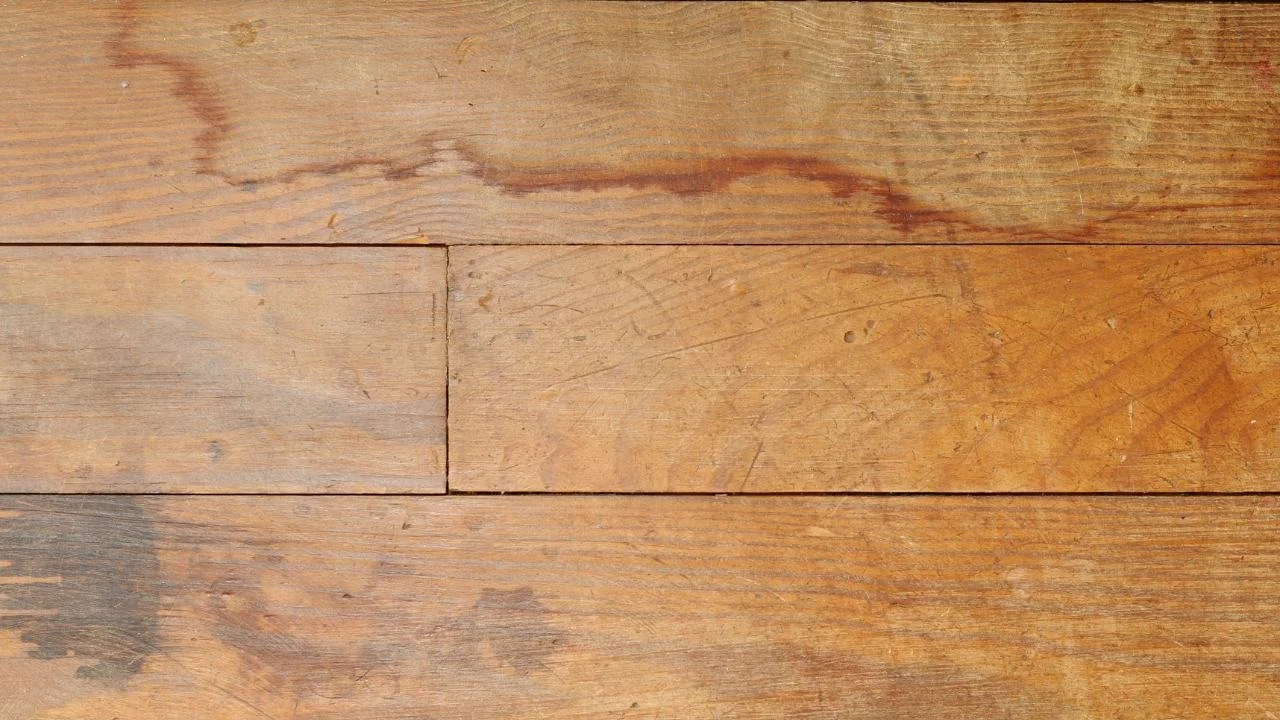
Why Wood Responds to Moisture in the Air
Wood is hygroscopic - meaning it naturally absorbs and releases moisture depending on the humidity of its surroundings. This isn't a flaw or a sign of poor quality. It's simply how wood behaves as a natural material.
When the air is humid, wood absorbs moisture and expands. When the air is dry, it releases moisture and contracts. This movement is entirely normal in small amounts. The problems begin when the swings are too dramatic, too frequent, or sustained over a long period of time.
For homeowners, that means managing indoor humidity isn't just about comfort - it's directly tied to the health and longevity of your floors.
The Ideal Humidity Range for Hardwood Floors
According to the National Wood Flooring Association, hardwood floors perform best when indoor relative humidity is kept between 30 and 50 percent, with a temperature range of roughly 15 to 27 degrees Celsius. Within this range, wood movement is minimal and manageable.
Outside of this range - either too high or too low - hardwood begins to react in ways that can lead to visible and sometimes permanent damage.
The good news is that maintaining this range is achievable in most homes with a few practical steps, which we'll cover below.
What High Humidity Does to Hardwood Floors
Vancouver's wet season brings with it some of the most persistently humid conditions in Canada. For hardwood floors, prolonged exposure to high humidity creates a specific set of problems.
Cupping
When the underside of a floorboard absorbs more moisture than the surface, the edges of the board rise above the center - a condition called cupping. It gives the floor a subtle wave-like appearance and is one of the most common signs that humidity and hardwood floors are out of balance.
Cupping caught early can often be reversed once humidity levels are brought back under control. Left unaddressed, it can become permanent.
Buckling
In more severe cases, boards absorb so much moisture that they begin to lift off the subfloor entirely. This is called buckling, and it typically follows a significant moisture event - a flood, a persistent leak, or an extended period of very high indoor humidity without adequate ventilation.
Buckled floors usually require professional hardwood floor repair and, in some cases, board replacement.
Swelling and Tight Joints
Even without visible cupping, high humidity causes boards to swell. This can result in boards pressing tightly against each other, sometimes creating pressure that causes cracking or surface damage over time.
What Low Humidity Does to Hardwood Floors
Winter in Vancouver and the Fraser Valley brings a different challenge. As outdoor temperatures drop and heating systems run longer, indoor air tends to become significantly drier - and dry air draws moisture out of hardwood floors.
Gaps Between Boards
As boards contract in dry conditions, small gaps can open up between them. Some seasonal gapping is entirely normal and will close again as humidity rises. However, if gaps are wide, persistent, or appear across a large area of the floor, it may indicate that humidity levels are consistently too low.
Cracking and Splitting
In extreme cases, very dry conditions can cause individual boards to crack or split - particularly older or thinner boards that have less flexibility. This type of damage is more difficult to reverse and may require hardwood floor restoration to address properly.
Finish Damage
Dry conditions don't only affect the wood itself. The finish on your floor can also crack or peel when wood contracts significantly - particularly if the finish has already aged or thinned. A worn finish allows more moisture to penetrate during humid periods, which compounds the problem over time.
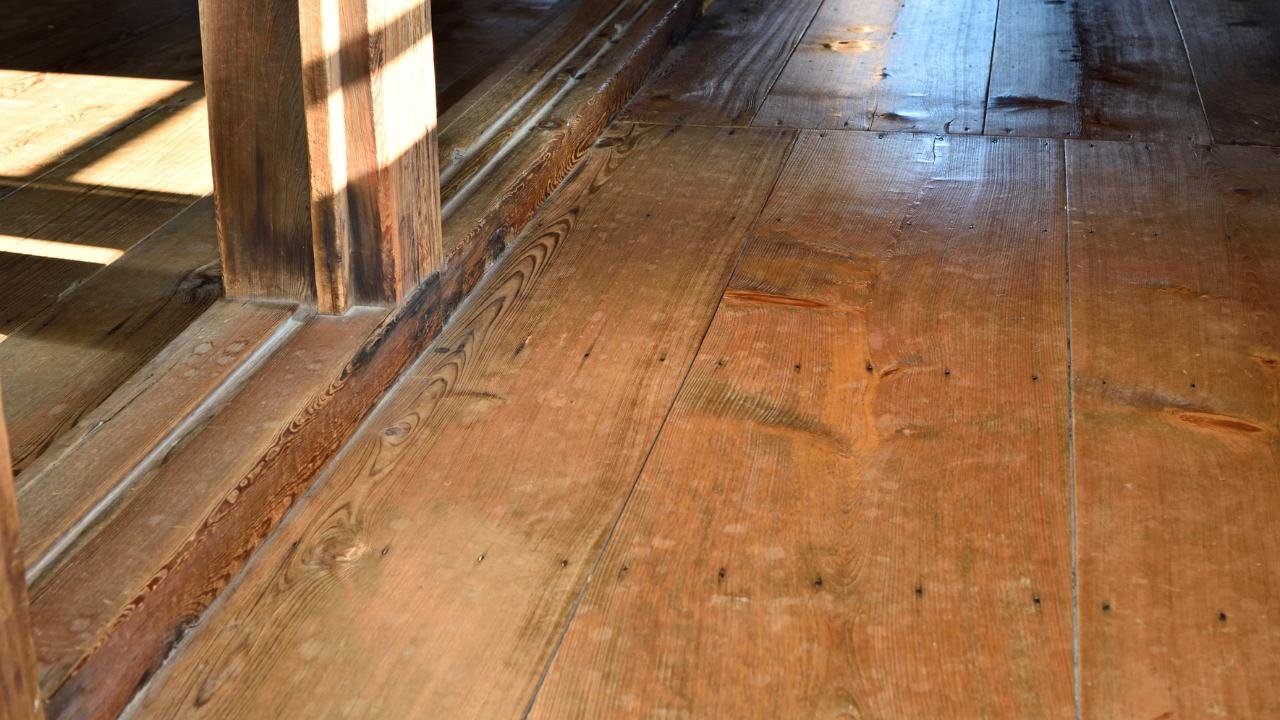
Managing Humidity and Hardwood Floors at Home
The goal isn't to create a perfectly controlled environment - it's to keep conditions reasonably consistent and within a range that hardwood can handle comfortably. Here are the most practical steps.
Use a Hygrometer
A hygrometer is an inexpensive device that measures indoor relative humidity. Keeping one in a room with hardwood floors gives you real data to work with rather than guesswork. Most hardware stores carry them, and many modern thermostats include a humidity reading.
Run a Humidifier in Winter
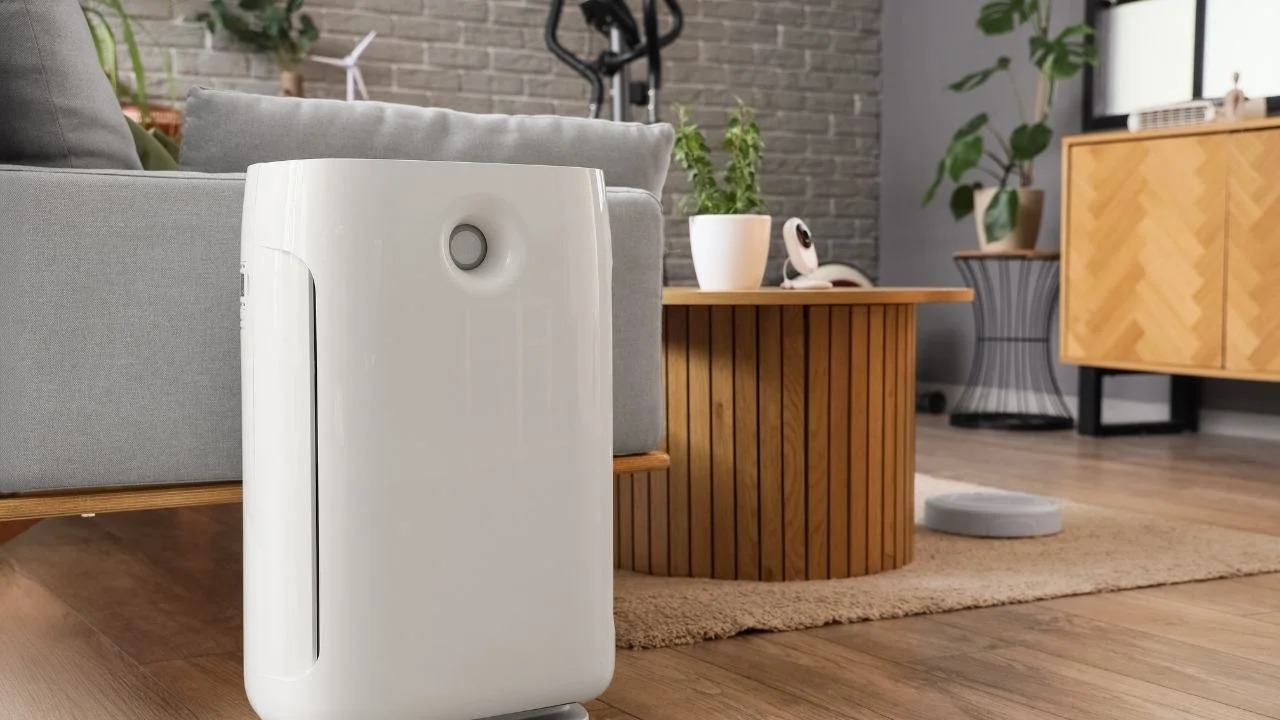
When heating systems run continuously through the colder months, indoor humidity can drop well below the 30 percent threshold. A portable or whole-home humidifier helps maintain moisture levels and keeps hardwood from contracting excessively.
Use a Dehumidifier in Summer
Vancouver summers can bring stretches of high humidity, particularly in homes with limited ventilation. A dehumidifier - or a well-calibrated air conditioning system - helps keep moisture levels from climbing too high.
Ventilate Consistently
Good airflow throughout the home helps prevent moisture from building up in specific rooms or areas. This is particularly relevant in kitchens, bathrooms, and basements where moisture is generated or retained more readily.
Acclimate New Flooring Before Installation
If you're having new hardwood installed, allowing the boards to acclimate in your home for several days before installation is essential. This gives the wood time to adjust to your home's typical humidity level, reducing the amount of movement that occurs after the floor is laid.
When the Damage Is Already Done
Even with careful humidity management, floors in older homes or those that have experienced significant moisture events may show signs of damage that go beyond what maintenance can address.
If your floors are cupped, cracked, discoloured, or showing gaps that don't close with seasonal changes, a professional assessment is the right starting point. Depending on what's found, options range from sanding and hardwood floor refinishing to more involved board-level repair.
Where colour variation has developed due to uneven moisture exposure, hardwood floor staining can help even out the appearance and give the floor a consistent, refreshed look after the underlying issues have been addressed.
A Note on Older Homes
Heritage homes across Vancouver and the Fraser Valley often have floors that have lived through decades of humidity cycles - and many of them are still in remarkably good shape because of it. Older hardwood is often thicker and more stable than modern engineered products, and it has already done much of its initial movement.
That said, older floors can be more sensitive to sudden or dramatic changes in humidity, particularly if the finish has worn thin or the boards have developed small cracks that allow moisture in more readily. If your home is older, paying attention to humidity is especially worthwhile.
Your Floors Will Thank You for It
The relationship between humidity and hardwood floors is one that rewards a little attention. Keeping indoor conditions within a reasonable range doesn't require expensive equipment or constant monitoring - just a basic awareness of the seasons and how your home responds to them.
If you've noticed signs that humidity may already be affecting your floors, or if you'd simply like a professional opinion on their current condition, the team at Sandover Floors is here to help. We've been working with hardwood floors in this region for over 80 years, and we're familiar with everything the Lower Mainland's climate can throw at them.
Reach out to us today for a free consultation - we're happy to take a look and give you an honest assessment of where your floors stand.
Frequently Asked Questions
What is the ideal humidity level for hardwood floors?
Most hardwood flooring manufacturers and industry guidelines recommend keeping indoor relative humidity between 30 and 50 percent. Within this range, the natural expansion and contraction of wood remains minimal and unlikely to cause visible damage.
Why do my hardwood floors have gaps in winter?
Winter gaps are usually caused by low indoor humidity. As heating systems run through the colder months, they dry out the air, which causes hardwood boards to contract slightly and pull apart. Small seasonal gaps that close again in spring are normal. Persistent or wide gaps may indicate that humidity levels are consistently too low and worth addressing.
Can high humidity permanently damage hardwood floors?
It can, particularly if high moisture levels are sustained over a long period or follow a significant water event. Cupping that is caught and corrected early often resolves on its own. However, if boards have buckled, cracked, or developed deep discoloration from prolonged moisture exposure, professional repair or restoration may be needed.
How do I know if humidity is affecting my hardwood floors?
Common signs include boards that appear wavy or uneven across their width (cupping), gaps opening between boards, a floor that feels softer or springier in certain spots, or visible cracks along the length of individual boards. A musty smell can also point to moisture-related issues beneath the surface.
Does humidity affect engineered hardwood and solid hardwood differently?
Yes. Engineered hardwood, which has a plywood core, is generally more dimensionally stable than solid hardwood and handles humidity fluctuations better. Solid hardwood moves more in response to moisture changes, which is why proper humidity management is particularly important in homes with solid hardwood floors.