
Signs of Water Damage on Hardwood Floors: What to Look For
Water and hardwood have never been a great combination. Whether it's a slow leak behind a dishwasher, a burst pipe, or years of moisture creeping up from a concrete subfloor, water has a way of making itself known - usually through your floors. Recognizing the signs of water damage on hardwood floors early can mean the difference between a straightforward repair and a full replacement. Sandover Floors has been helping Vancouver and Fraser Valley homeowners assess and restore damaged floors since 1939.
In a city like Vancouver, where rain is a near-constant companion and humidity fluctuates year-round, water damage is something many homeowners will eventually encounter. Here's what to watch for.
Why Hardwood Reacts So Strongly to Moisture
Wood is a natural material, and it responds to moisture the way it always has - by absorbing it. As moisture enters the wood, boards swell, shift, and warp. As it dries, they contract. When this cycle happens repeatedly or intensely, the structural integrity of the floor begins to break down.
The tricky part is that water damage doesn't always announce itself right away. Some signs appear within days of an incident. Others take weeks or months to surface, especially when the source is a slow, hidden leak. That's why it pays to know what you're looking for.
Common Signs of Water Damage on Hardwood Floors
These are the most telling indicators that moisture has gotten into your hardwood - and that it's time to take action.
Cupping
Cupping is one of the earliest and most recognizable signs of water damage on hardwood floors. It happens when the underside of a board absorbs more moisture than the surface, causing the edges to rise and the center to dip. The floor takes on a slightly wavy appearance - subtle at first, but more pronounced as the moisture continues.
Cupping is often a sign that moisture is coming from below, whether from a damp subfloor, a crawl space, or a concrete slab. Catching it early gives you the best chance of reversing it.
Crowning
Crowning is the opposite of cupping - the center of the board rises above the edges. This typically happens after a floor has already been wet and then dries unevenly, or after cupped floors are sanded too soon before they've fully dried. If you see boards that look slightly rounded across the top, crowning is likely what you're dealing with.
Buckling
Buckling is harder to miss. When boards lift significantly off the subfloor - sometimes several inches - the floor has been exposed to a substantial amount of moisture. This often follows a major water event like a flood or an extended leak. Buckled floors require professional attention and in some cases, replacement of the affected boards.
Discoloration and Staining
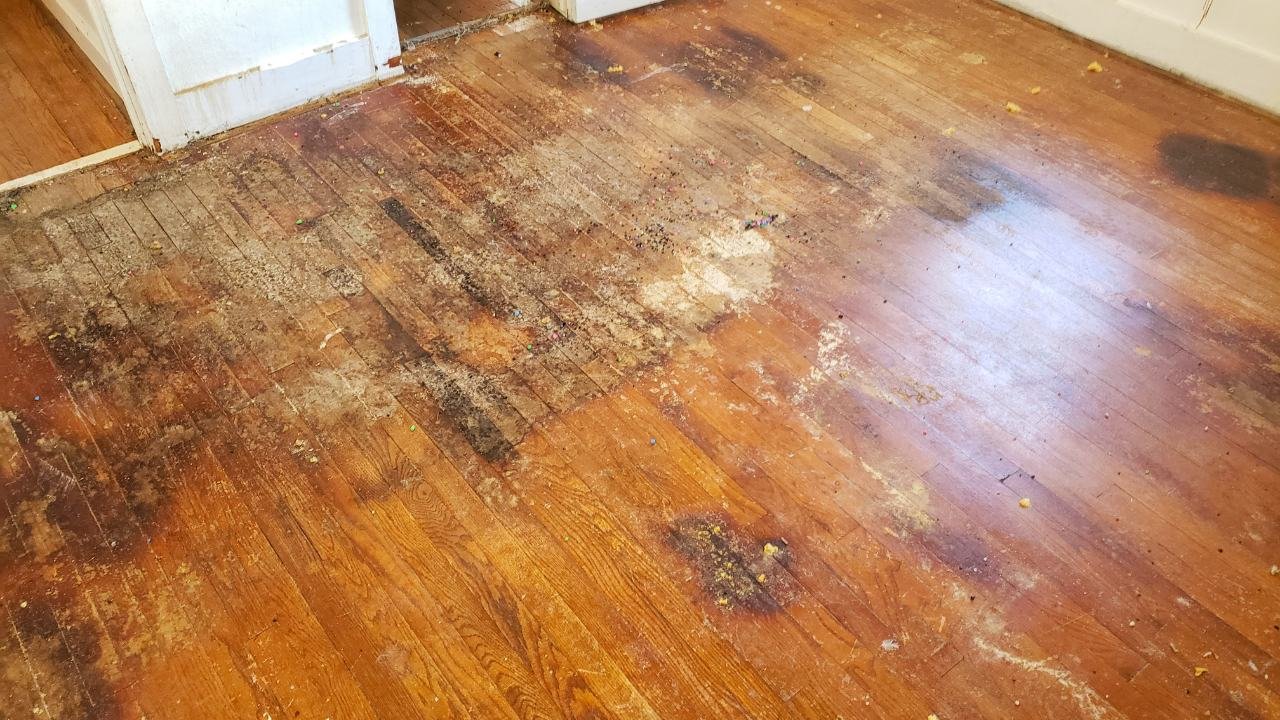
Dark stains on hardwood are often a sign that water has penetrated the finish and begun affecting the wood itself. These stains can range from light grey patches to deep black discoloration, depending on how long the moisture has been present and whether mold has begun to develop.
Surface stains from spills are usually manageable, but staining that has soaked into the wood may require sanding and hardwood floor refinishing to fully address.
Soft Spots
If an area of your floor feels soft, spongy, or slightly springy underfoot, the wood or the subfloor beneath it may have weakened from moisture exposure. Soft spots are worth taking seriously - they can indicate rot or structural damage that goes well beyond the surface.
Mold and Mildew
A musty smell in a room with hardwood flooring is sometimes the first sign that something's wrong. Mold and mildew thrive in damp, enclosed environments, and the space between your floorboards and subfloor is an ideal hiding spot. According to Health Canada, mold exposure can have real health consequences - making it important to address suspected mold promptly rather than waiting to see if it resolves on its own.
Gaps Between Boards
While small gaps can appear seasonally as wood contracts in dry weather, persistent or widening gaps can point to moisture-related movement. When boards absorb water unevenly or shift due to subfloor moisture, the spacing between them can change noticeably.
How to Tell If the Damage Is Recent or Long-Standing
The age of water damage matters when it comes to determining what's salvageable. Recent damage - where moisture is still present and the wood hasn't fully dried - may respond well to drying, dehumidification, and targeted repair. Long-standing damage, particularly where staining, soft spots, or mold are involved, often means the wood has been compromised more deeply.
A few things to look for:
Recent damage tends to show cupping or surface discoloration without significant softening or odor.
Older or ongoing damage is more likely to involve dark staining, musty smells, soft spots, or boards that have buckled or warped significantly.
If you're unsure, a professional assessment is the most reliable way to understand what you're dealing with.
What to Do If You Notice These Signs
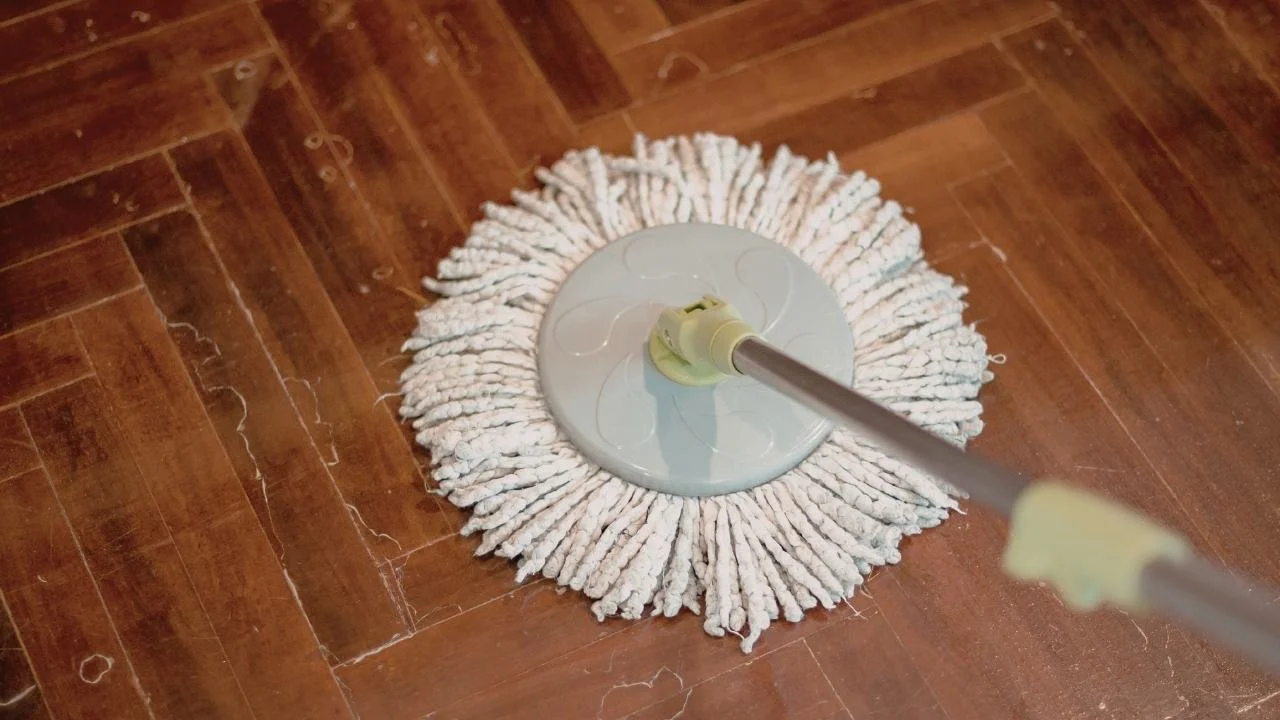
If you spot any of the signs above, the first step is to identify and address the moisture source. No amount of floor repair will hold if the underlying cause - a leaking pipe, poor drainage, inadequate ventilation - hasn't been dealt with.
Once the source is controlled:
Allow the area to dry thoroughly before assessing repair options
Avoid placing rugs or furniture over affected boards, which can trap moisture
Use a dehumidifier to help stabilize the environment
Have the floor assessed by a flooring professional to understand the full scope of damage
Depending on what's found, solutions might range from a targetedhardwood floor restoration to replacement of specific boards or sections.
Can Water-Damaged Hardwood Floors Be Saved?
In many cases, yes. The outcome depends on the extent of the damage, how long the moisture was present, and whether the subfloor has been affected. Floors that show early signs like cupping or light discoloration often respond well to professional drying, sanding, and refinishing.
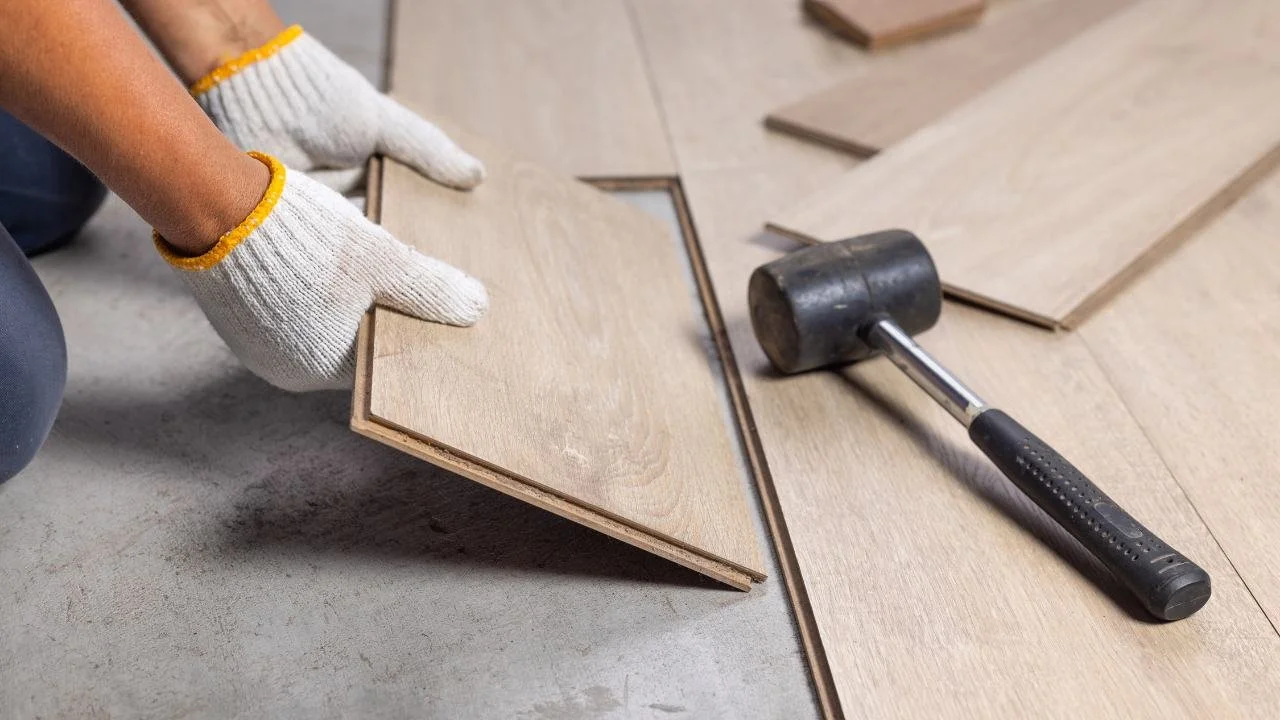
More advanced damage - significant warping, soft spots, or mold - may require board replacement in the affected areas. A skilled flooring team can often source and match replacement boards closely enough that the repair is difficult to detect, particularly after refinishing.
Where color variation is a concern after repair work, hardwood floor staining can help blend restored sections with the surrounding floor for a cohesive final result.
Preventing Water Damage Going Forward
Once your floors are restored, a few habits go a long way toward protecting them:
Clean up spills immediately - don't let water sit on the surface
Use mats near sinks, entryways, and pet water bowls
Maintain consistent indoor humidity levels (30 to 50 percent is the general guideline for hardwood)
Have plumbing checked regularly, particularly in older homes
Ensure good ventilation in areas prone to moisture, like kitchens and bathrooms
Prevention is always easier than repair, and a little attention to moisture management can significantly extend the life of your floors.
Don't Wait Until the Damage Gets Worse
Knowing the signs of water damage on hardwood floors puts you in a much better position to act before a small problem becomes a major one. Whether you've noticed cupping, staining, or just an unfamiliar smell near your floor, early action is always the right call.
If you're in Metro Vancouver or the Fraser Valley and you're not sure what you're looking at, the team at Sandover Floors is happy to take a look. We've been restoring and repairing hardwood floors in this region for over 80 years, and we're used to working through all kinds of moisture-related issues - from minor surface damage to more involved subfloor repairs.
Contact us today for a free consultation, and we'll help you figure out the best path forward for your floors.
Frequently Asked Questions
What are the first signs of water damage on hardwood floors?
Cupping - where the edges of boards rise above the center - is often one of the earliest signs. You might also notice subtle discoloration or a faint musty smell before any visible warping appears. If you catch these early signs, there's a good chance the floor can be restored without major intervention.
Can hardwood floors dry out on their own after water damage?
Sometimes, if the exposure was brief and the moisture source has been eliminated. However, drying without proper intervention can lead to uneven shrinkage, crowning, or gaps. Using fans and a dehumidifier helps, but a professional assessment is still worthwhile to ensure the subfloor hasn't been affected.
How long does it take for water damage to show up on hardwood floors?
It depends on the source and severity. A major flood or burst pipe will show damage within hours or days. A slow leak under a dishwasher or from a damaged pipe may take weeks or months before visible signs appear on the surface.
Is black staining on hardwood floors always a sign of water damage?
Dark or black staining is commonly associated with moisture that has penetrated the wood and may indicate mold growth beneath the finish. It doesn't always mean the entire board needs replacing, but it should be assessed by a professional to determine the depth of the damage.
Can I sand and refinish water-damaged hardwood floors myself?
Sanding and refinishing prematurely - before the wood has fully dried - can make the damage worse, particularly if cupping or crowning is present. It's best to wait until the floor has stabilized and have a professional assess whether refinishing alone will be sufficient, or whether repair or board replacement is needed first.