
How to Fix the Scratch on Hardwood Floor: A Vancouver DIY Guide
You spot it the moment the afternoon light hits just right: a scratch cutting across your beautiful hardwood. Maybe an excited dog took a corner too fast, or a chair got dragged where it should have been lifted. Whatever the cause, the good news is that most scratches are far easier to deal with than you would expect. Knowing how to fix the scratch on hardwood floor really comes down to matching the right method to the depth of the damage. In this guide, the Sandover Floors team walks you through each type, the products that work, and the small tricks that make a repair disappear, plus when a quick hardwood floor repair by a professional is the smarter call.
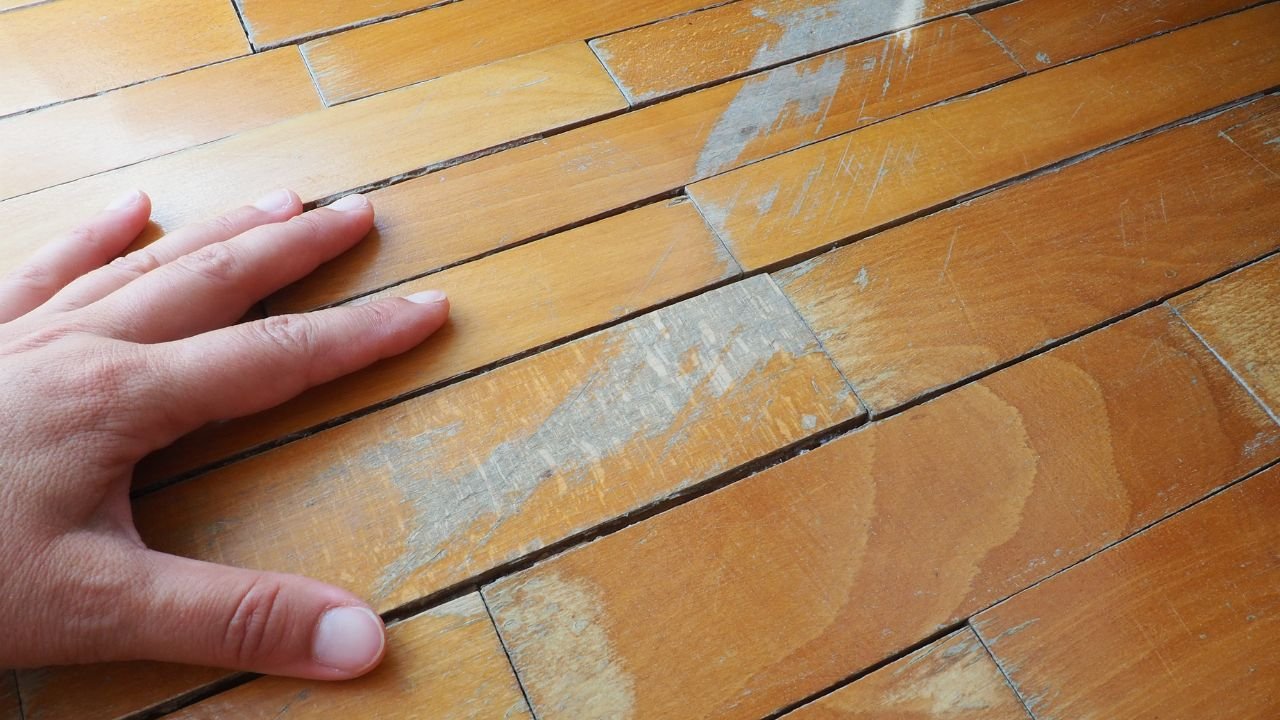
How to Fix the Scratch on Hardwood Floor: Start by Checking the Depth
Before you reach for any product, take ten seconds to diagnose the scratch. The single biggest mistake homeowners make is grabbing the nearest filler without checking how deep the damage goes.
The easiest test is your own fingernail. Run it gently across the scratch. If your nail glides right over and the mark only shows as a faint line when light catches it, you have a light surface scratch that sits in the finish alone. If your nail catches slightly and you notice a small colour change, the scratch has reached into the stain or the top of the wood. And if your nail dips into a groove, you are dealing with a deep scratch or a gouge that has exposed raw wood.
Once you know which category you are in, the right fix becomes obvious.
Fixing Light Surface Scratches
These shallow marks live in the polyurethane or finish layer and never touch the wood beneath. They are the quickest to handle, often in under ten minutes.
For a single faint scratch, a colour-matched touch-up marker or a wax blending pencil is your best friend. Choose a shade that matches your floor, apply it along the scratch, and wipe away the excess. For a cluster of fine scuffs that leave a dull, hazy patch, a thin coat of hardwood floor polish applied across the whole area can fill the micro-abrasions and restore even sheen.
You may have heard of the home remedy that mixes equal parts olive oil and apple cider vinegar dabbed into the scratch. It can temporarily mask a minor mark, but be realistic about it. This trick only hides the scratch for a while and does not repair the finish, so treat it as a short-term fix rather than a lasting solution.
Repairing Medium Scratches
Medium scratches break through the finish and lightly damage the stain or wood below. Your fingernail catches, and you can usually see a slightly lighter line where the finish is gone.
A wax stick filler is ideal here. It is harder than a blending pencil and designed for scratches with a little depth. Rub the stick across the scratch, then buff with a soft cloth so the wax fills the groove and blends with the surrounding boards. Buying a set of wood-tone colours rather than a single shade is worth it, since blending two or three tones almost always matches a real floor better than one colour alone. If the wood tone itself needs correcting, a dab of matching wood stain applied carefully before sealing can restore the colour.
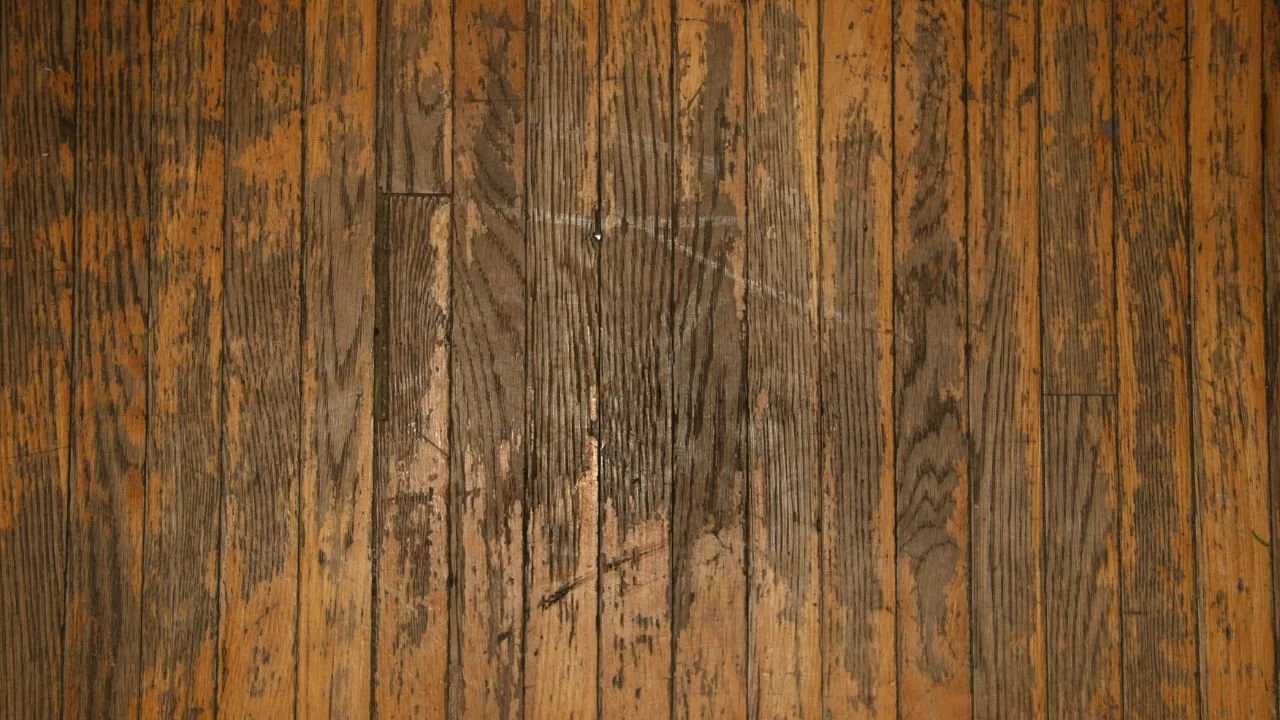
Handling Deep Scratches and Gouges
Deep scratches and gouges reach bare wood, and they need a proper patch rather than a quick touch-up. The process takes more patience but is still achievable for a confident DIYer on a small area.
Start by cleaning the spot thoroughly so filler adheres properly. Apply a color-matched wood filler with a putty knife, pressing it level with the surrounding surface, and let it cure fully. Lightly sand the area smooth once dry, then stain to match and seal with a compatible finish. One important detail: deep repairs typically need 24 to 48 hours of curing time before the area can take foot traffic. Walking on it too soon compresses the filler before it hardens and ruins the work.
Pro Tips for an Invisible Repair
The difference between a repair you can spot from across the room and one that vanishes usually comes down to two things: color and sheen.
Most homeowners focus on matching the color and forget the sheen entirely, yet a glossy patch on a satin floor stands out just as much as a color mismatch. Always test your product on a hidden spot first, like inside a closet or under a piece of furniture, before committing to the visible scratch. It also helps to set expectations on longevity. Marker and wax repairs on light scratches typically last 6 to 18 months in busy areas before they need a touch-up, while a proper filler, stain, and finish repair on a deep scratch can last for years, often until the whole floor is due for refinishing.
When to Call a Professional
DIY methods shine on isolated scratches, but there is a point where spot repairs stop making sense. If scratches cover a large area, appear across many boards, or the finish is worn through in high-traffic zones, patching each mark individually will look worse than addressing the whole floor.
At that stage, hardwood floor refinishing is the better investment. Sanding removes every scratch at once and leaves you with a uniform, like-new surface. For older Vancouver homes where scratches sit alongside water marks, fading, or decades of general wear, a full hardwood floor restoration brings the entire floor back to one consistent finish. A quick professional assessment will tell you honestly whether a spot repair or a broader refresh is the right move.
Preventing Future Scratches
The best scratch is the one that never happens. A few simple habits go a long way, especially in a busy coastal city where wet boots track in grit all winter. Place felt pads under furniture legs and lift rather than drag heavy pieces. Use doormats at entryways and consider a no-shoes rule to keep gravel and sand off the boards. Trim pet nails regularly, put rugs in high-traffic runs and hallways, and sweep or vacuum often so grit does not grind into the finish underfoot.
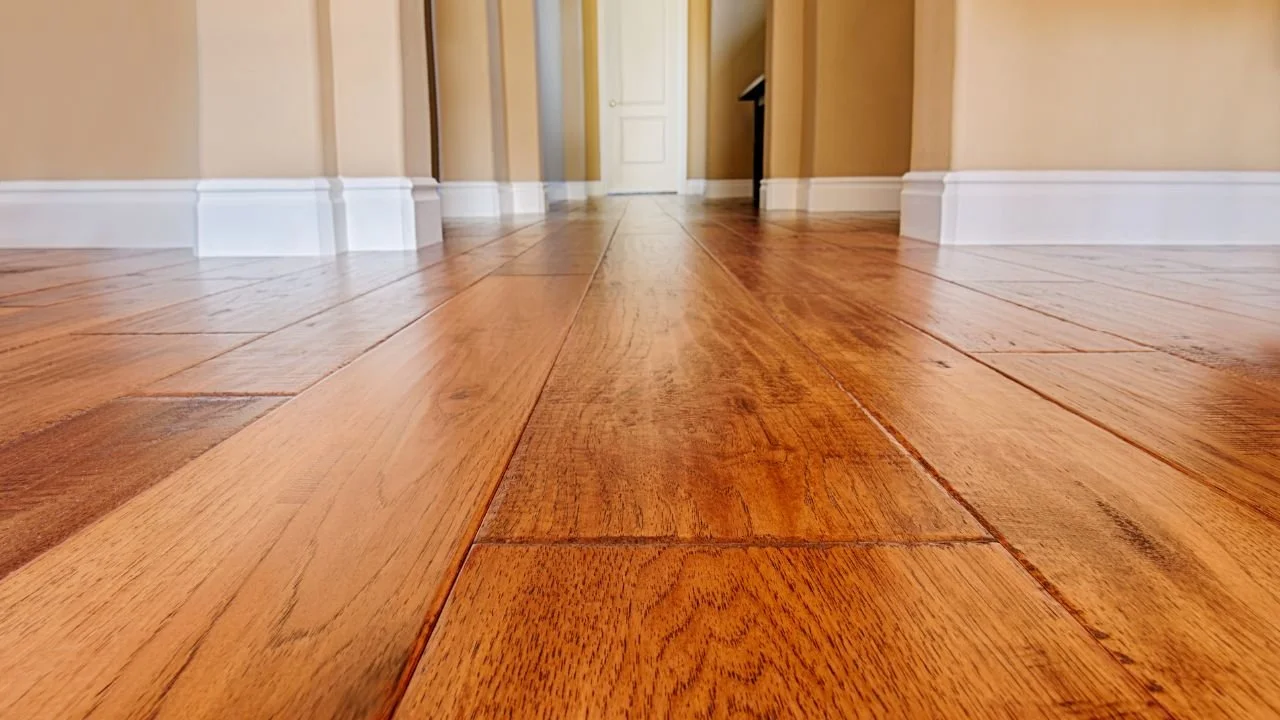
Keeping Your Floors Scratch-Free and Beautiful
A scratched floor is rarely as serious as it first looks. Once you know how to fix the scratch on hardwood floor by matching your method to the depth, most marks disappear with a marker, a wax stick, or a careful filler repair. The keys are diagnosing the damage first, matching both colour and sheen, and giving deeper repairs time to cure. And when the scratches have simply outnumbered what spot fixes can handle, refinishing offers a clean slate.
If your floors need more than a quick touch-up, we are happy to help. Contact our Vancouver team for a free, no-obligation assessment, and we will recommend the most cost-effective way to get your floors looking their best again.
Frequently Asked Questions
What is the fastest way to learn how to fix the scratch on hardwood floor?
Start with the fingernail test to judge depth. Light surface scratches take under ten minutes with a touch-up marker or wax pencil. Medium scratches need a wax stick, and deep gouges call for filler, sanding, staining, and sealing. Matching the method to the depth is the fastest route to a clean result.
Do home remedies like vinegar and oil really work on scratches?
They can temporarily reduce the visibility of a minor scratch, but they only mask the mark and do not repair the finish or wood. Think of the olive oil and vinegar trick as a short-term cosmetic fix while you plan a proper repair.
How do I match the color of my floor when repairing a scratch?
Buy a set of wood-tone markers or wax sticks rather than a single color, since blending shades matches real wood better. Just as important, match the sheen of your finish and always test on a hidden area first, because a mismatched gloss level stands out as much as the wrong color.
Can deep scratches be fixed without refinishing the whole floor?
Yes, isolated deep scratches can be spot-repaired with wood filler, careful sanding, and a color-matched stain and finish. Refinishing only becomes the better option when scratches are widespread or the finish is worn across large areas of the floor.
How long will a DIY scratch repair last?
Marker and wax repairs on light scratches generally hold up for 6 to 18 months in busy areas before needing a refresh. A proper filler and finish repair on a deeper scratch can last for years, often lasting until the floor is due for its next full refinish.