
Wood Floor Water Damage in Vancouver: How to Fix Warped Hardwood Floor Cupping or Crowning
Hardwood floors and water have always had a complicated relationship. One slow leak under a dishwasher, one rainy boot left by the door, or one humid summer can leave your boards bowed, lifted, or uneven. If you have noticed your planks looking wavy lately, you are likely dealing with wood floor water damage, and understanding how to fix warped hardwood floor cupping or crowning starts with knowing what is happening beneath the surface. In this guide, the team at Sandover Floors explains the causes, the warning signs, and the right way to bring your floors back, and if the damage is already serious, our hardwood floor restoration service is built for exactly this kind of repair.
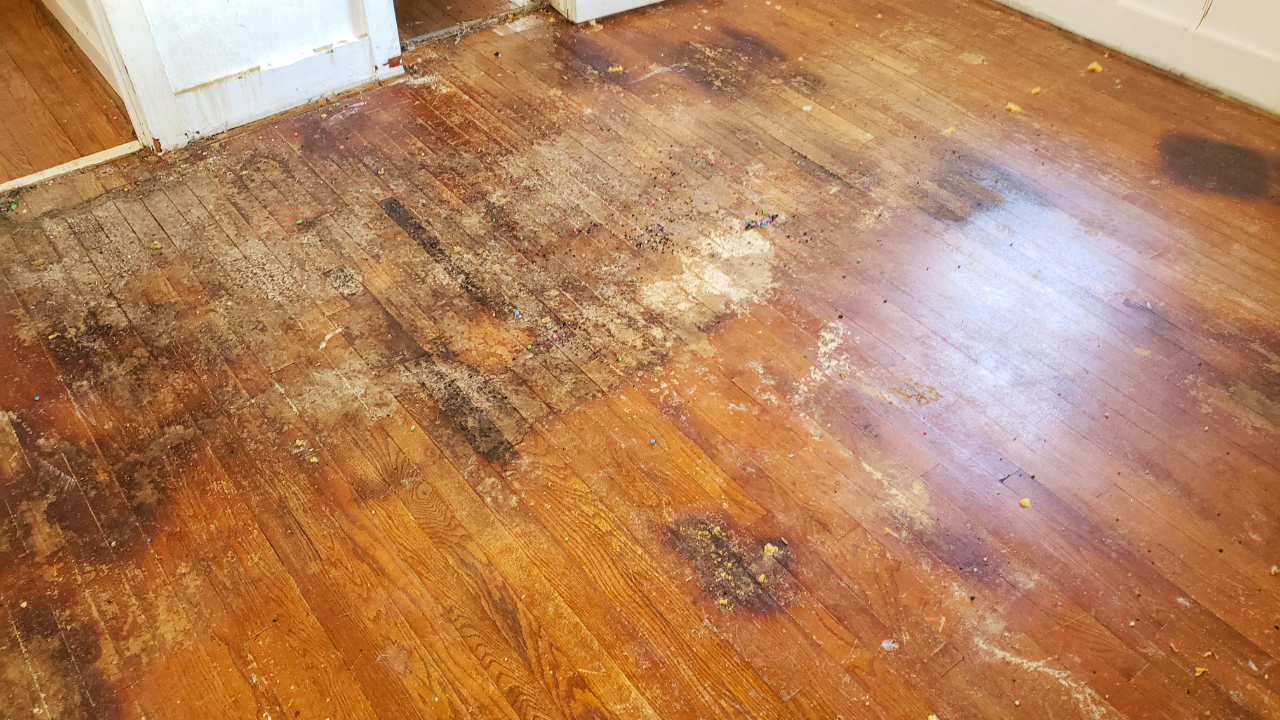
What Causes Wood Floor Water Damage
Wood is hygroscopic, which is a fancy way of saying it constantly absorbs and releases moisture from the air around it. As it gains moisture it swells, and as it dries it shrinks. That natural movement is normal. Problems begin when moisture becomes excessive or uneven, and that is the root of nearly all wood floor water damage.
Here in Vancouver, the conditions are practically designed to test your floors. Our wet coastal winters, high humidity, and damp crawl spaces create steady moisture pressure from below and around your hardwood. Add common household culprits like dishwasher leaks, overflowing planters, pet accidents, and tracked-in rain, and it is easy to see why local homeowners deal with this so often.
A single spill wiped up quickly rarely causes lasting harm. The real trouble comes from moisture that lingers, whether from a slow leak or a humid environment that never quite dries out.
Spotting the Signs: Cupping, Crowning, and Buckling
Before you can fix anything, you need to correctly identify the type of warping. Each one tells a different story about how serious the situation is.
Cupping
Cupping is the most common form, and the most recoverable. The edges of each board rise higher than the center, creating a gentle dip across the plank. This happens when the underside of the wood absorbs more moisture than the top, which is why a wet subfloor or damp crawl space is so often to blame. Many homeowners first notice cupping under bare feet before they even see it.
Crowning
Crowning is the opposite. The center of the board sits higher than the edges. It is often the result of moisture from above, or, importantly, from sanding a cupped floor before it has fully dried. According to Wood Floor Business, the industry trade publication, sanding a still-wet cupped floor flat can leave you with a crowned, convex surface once it finally dries out. That is a costly mistake worth avoiding.
Buckling
Buckling is the most severe. The boards pull away from the subfloor entirely, sometimes lifting several inches. This usually points to prolonged water exposure, often 48 hours or more, and almost always requires board replacement rather than a simple fix.
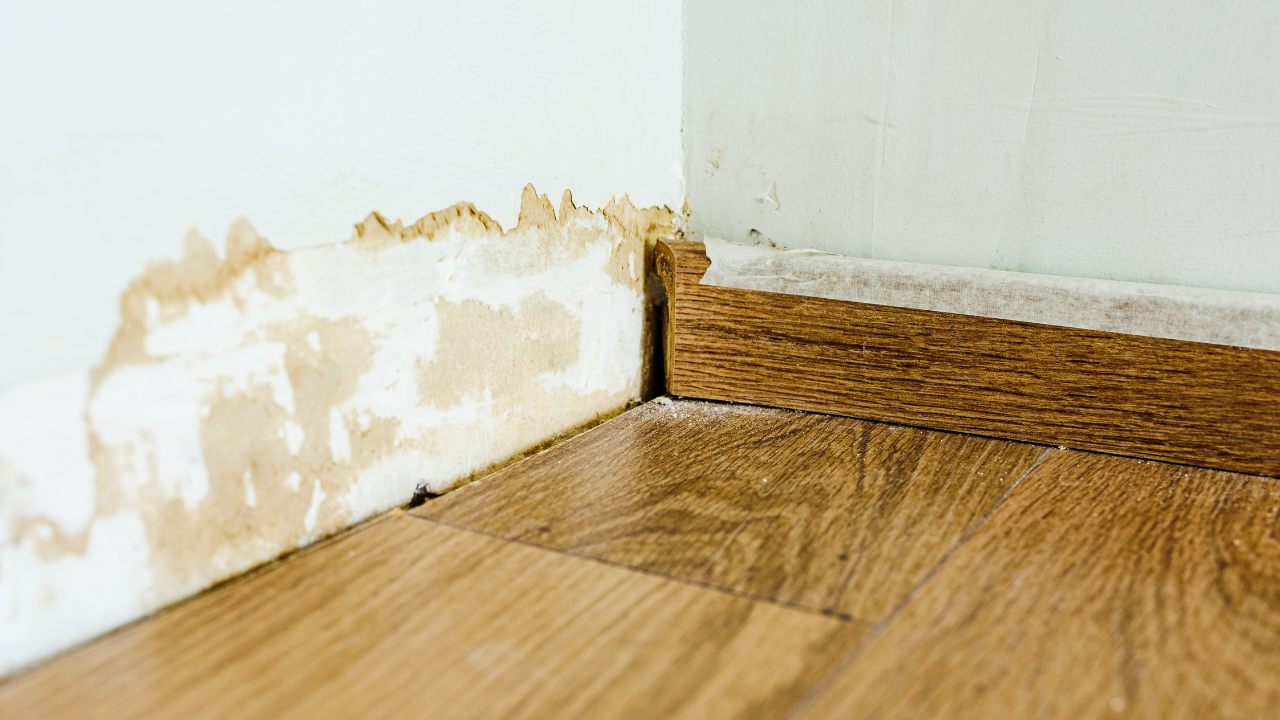
How to Fix Warped Hardwood Floor Cupping or Crowning
Now for the part everyone wants to know. Learning how to fix warped hardwood floor cupping or crowning is less about quick patches and more about patience and proper sequence. Rushing the process is the single biggest cause of permanent damage.
Step One: Stop the Water Source
You cannot fix the floor until you fix what is feeding it moisture. Find and eliminate the leak, dry out the crawl space, or correct the humidity issue first. A moisture meter, ideally used by a professional, confirms whether the subfloor and boards are still holding excess water.
Step Two: Dry the Floor Slowly and Completely
This is where most people lose patience. Drying a hardwood floor is not a weekend job. A combination of heat, air movement, and low humidity works best, and depending on the severity, full drying can take weeks or even months. As long as the wood is not permanently deformed, many cupped floors will gradually flatten back toward their original shape once the moisture leaves.
Step Three: Sand and Refinish Only When Dry
Once a professional confirms the moisture content has returned to a normal, stable level, the floor can be sanded flat and refinished. Sanding too early is what turns a fixable cupped floor into a crowned one. When the timing is right, our hardwood floor refinishing team can smooth the surface and apply a fresh, protective finish.
Step Four: Repair or Replace Damaged Boards
If certain boards are permanently warped, split, or buckled, they need to be replaced rather than salvaged. Our hardwood floor repair service handles board replacement and blends new wood into the existing floor so the patch does not stand out.
Why Vancouver Homeowners Trust Sandover Floors
Water damage repair is not a guessing game, and it is rarely a true do-it-yourself project once warping sets in. The drying timeline, the moisture readings, and the precise moment to sand all require experience to get right. One wrong move can mean replacing an entire floor.
Sandover Floors has worked on hardwood across Greater Vancouver and the Fraser Valley since 1939. That is more than 80 years and three generations of know-how, serving homeowners from Vancouver and Burnaby to Surrey, Langley, Abbotsford, and Chilliwack. We have rescued countless floors damaged by leaks, floods, and pet accidents, often saving boards that homeowners assumed were beyond hope. When repairs are paired with refinishing, we can even restain your floors to refresh the colour while we are at it.
Protecting Your Floors From Future Water Damage
The best repair is the one you never need. A few simple habits go a long way toward preventing future wood floor water damage in our damp climate.
Keep your indoor humidity in a stable range, generally between 40 and 55 percent, to limit how much your wood expands and contracts. Wipe up spills the moment they happen, and avoid wet mops or steam cleaners, which force moisture into the boards. Use mats at entryways to catch rain and grit, place trays under planters, and check appliances and plumbing periodically for slow leaks. Keeping crawl spaces dry and well-ventilated is especially important for Vancouver homes.
Keeping Your Floors Solid for the Long Haul
Wood floor water damage can feel alarming, especially when your once-flat floors start to wave and lift. The encouraging news is that many warped floors can be saved when you act quickly, eliminate the moisture source, and resist the urge to rush. Knowing how to fix warped hardwood floor cupping or crowning really comes down to diagnosing the problem correctly and letting the floor dry before any sanding begins.
If your floors are showing signs of moisture trouble, do not wait for the damage to spread. Contact our Vancouver team for a free, no-obligation assessment and let us help you restore floors that are solid, level, and beautiful once more.
Frequently Asked Questions
Can wood floor water damage always be repaired, or will I need to replace the floor?
It depends on the severity and how quickly you act. Slight to moderate cupping is often recoverable once the moisture source is removed and the floor dries fully. Buckled or permanently deformed boards usually need replacement, which is why a professional assessment is so valuable.
How long does it take to fix a cupped floor?
Patience is essential. Drying a water-damaged floor can take anywhere from a few weeks to several months, depending on how much moisture is present and the drying methods used. Sanding and refinishing only happen after the wood returns to a normal, stable moisture level.
Why does my floor look crowned after it was repaired?
Crowning often happens when a cupped floor is sanded flat before it has completely dried. As the remaining moisture leaves, the center of the boards rises. This is exactly why knowing how to fix warped hardwood floor cupping or crowning means waiting for full drying before any sanding.
What humidity level should I keep my home at to prevent damage?
Aim to keep indoor relative humidity fairly stable, generally in the 40 to 55 percent range. Big swings in humidity cause the seasonal expansion and contraction that leads to gaps, cupping, and other moisture-related issues over time.
Should I try to fix wood floor water damage myself?
You can and should stop the water source and start ventilating the area right away. However, the drying, moisture testing, sanding, and board replacement are best left to professionals, since incorrect timing can turn a fixable floor into a full replacement.