
Sanding Wood Floors: A Complete Guide for Vancouver Homeowners
There is a moment in almost every hardwood floor's life when cleaning just does not cut it anymore. The finish looks dull no matter how you mop, scratches have multiplied, and the colour feels dated. That is when sanding wood floors becomes the smartest move you can make, stripping away decades of wear in a matter of days and revealing the fresh, beautiful wood hiding underneath. In this guide, the team at Sandover Floors explains how the process works, when it is worth doing, and what to expect, and if you are ready to skip straight to the results, our hardwood floor refinishing service handles everything from the first pass to the final coat.
Why Sanding Wood Floors Transforms a Home
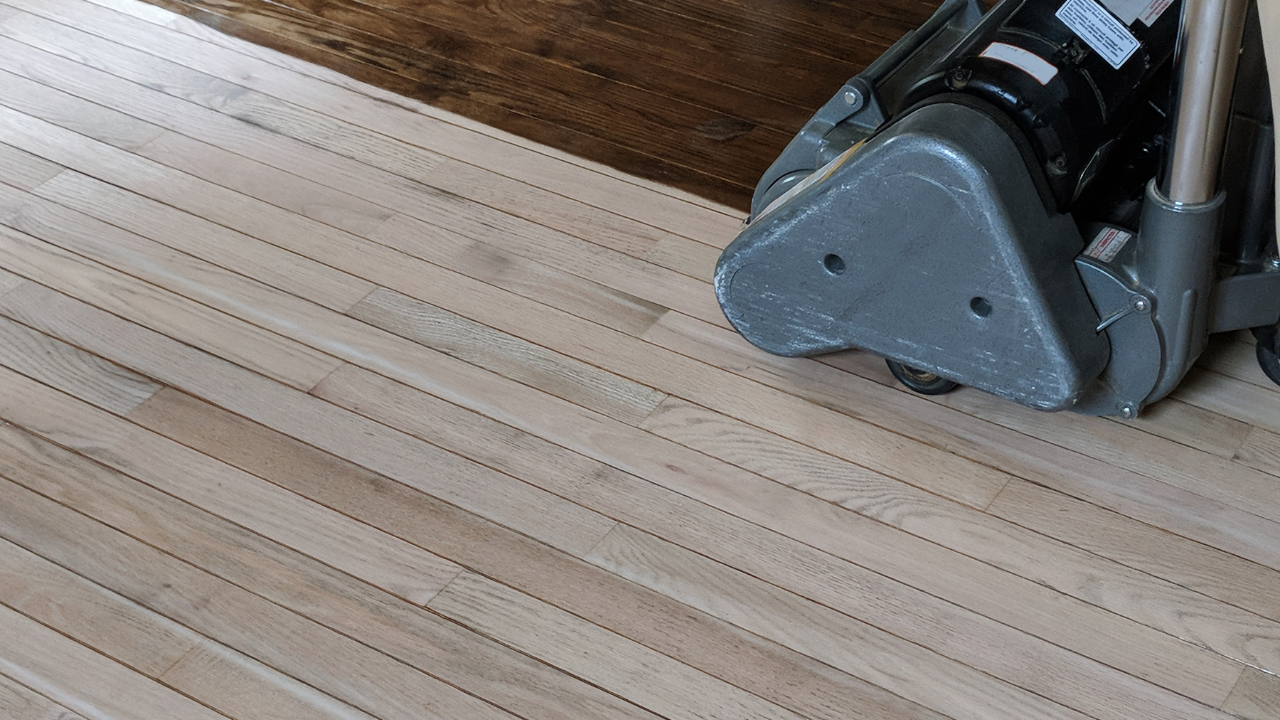
Sanding wood floors is essentially a reset button. Over the years, finishes wear thin, sunlight fades the color unevenly, and everyday life leaves its marks. Sanding removes that tired top layer, taking scratches, discolouration, and old coatings with it, and exposes clean, raw wood ready for a new stain and finish.
The transformation is often dramatic. Homeowners regularly tell us they cannot believe they are looking at the same floors. And because hardwood is solid material rather than a printed surface, this renewal can happen again and again over the life of the floor. It is one of the reasons hardwood remains such a strong investment in Vancouver homes, where quality floors add real resale value.
Signs It Is Time to Sand Your Floors
Not every dull floor needs a full sanding, so it helps to know what to look for. The clearest signs include finish that has worn through to bare wood, deep scratches and dents across large areas, grey or dark patches where moisture has penetrated, and floors that still look dirty after a thorough clean.
If your boards are damaged by water, pet stains, or decades of neglect, sanding is often paired with a broader hardwood floor restoration to bring the whole floor back to life. On the other hand, if your finish is lightly scuffed but still intact, a simple screen and recoat may be all you need. A professional assessment will tell you which side of the line your floors fall on, and an honest contractor will never sell you a full sand you do not need.
What Happens During a Professional Sanding
Many homeowners picture clouds of dust and weeks of disruption. A professional job looks very different. Here is how it typically unfolds.
Preparation
The room is cleared, and the floor is inspected board by board. Loose planks are secured, protruding nails are set, and any boards that are too damaged to save are replaced. Our hardwood floor repair team handles these fixes first, because sanding over damaged boards only locks the problems in.
The Sanding Passes
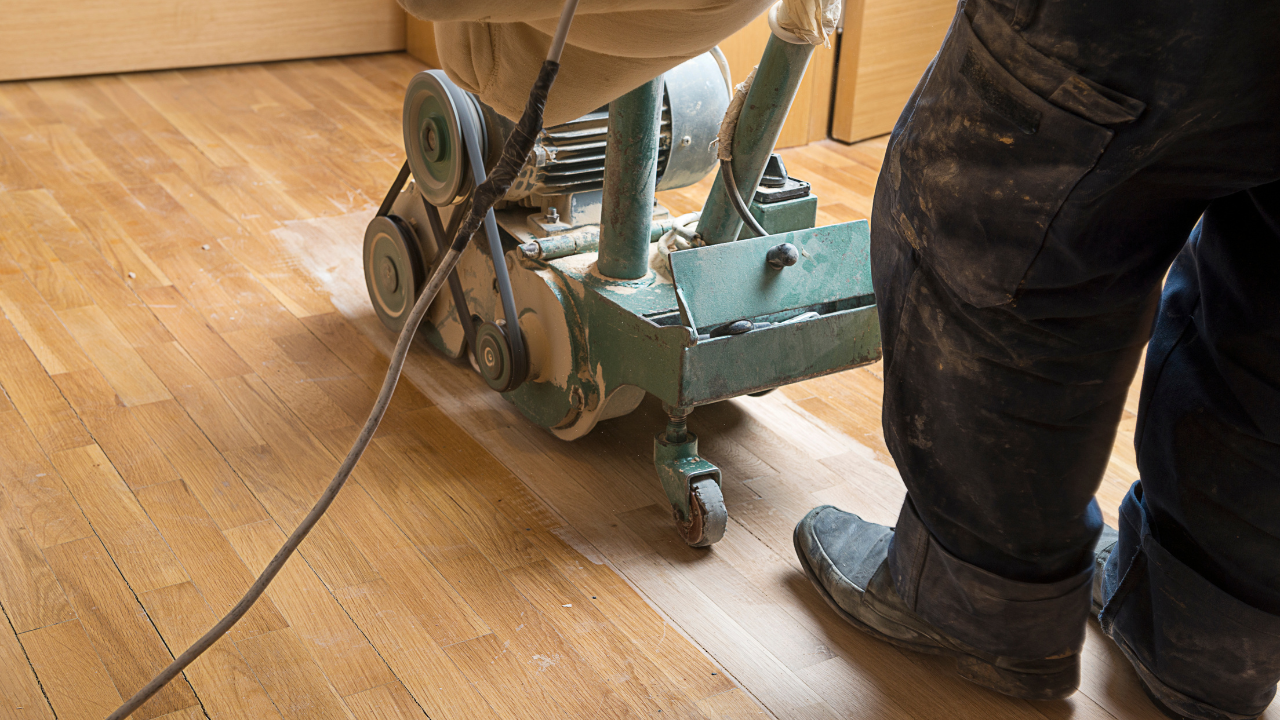
Sanding is done in stages, starting with a coarser grit to remove the old finish and levelling the surface, then moving through progressively finer grits to leave the wood smooth and uniform. Large drum or belt sanders cover the open floor while specialized edgers reach along baseboards and into corners.
Dust Control
Modern sanding systems capture the vast majority of dust at the source. Clients are routinely surprised by how clean their homes stay during the process. At Sandover Floors, our crews also clean up at the end of each day, so your home remains livable while the work happens.
Final Smoothing
Before any stain or finish is applied, the floor is fine-sanded and buffed so the surface accepts the new coating evenly. This step is where experience really shows, because an uneven sand becomes very visible once the finish goes on.
How Many Times Can Wood Floors Be Sanded?
This is one of the most common questions we hear, especially from owners of older Vancouver homes. The answer depends on the thickness of the wood's wear layer. According to the National Wood Flooring Association, the number of times a floor can be sanded varies with the wear layer, the flatness of the floor, the equipment, and the skill of the contractor. Most solid hardwood floors can typically handle several full sandings over their lifetime, often six or more, since each pass removes only a thin sliver of wood.
This matters enormously in neighbourhoods full of character homes. Original fir and oak floors from the 1910s through 1950s, common across East Vancouver, Kitsilano, and New Westminster, have often been sanded before. A skilled craftsman measures what remains and sands conservatively, preserving as much wood as possible for future generations. Engineered floors are a different story, since their top layer is thinner, and some can only be sanded once or twice, if at all.
After Sanding: Choosing Your Stain and Finish
Once your floors are sanded back to raw wood, you have a rare opportunity. This is the ideal moment to change your floor's colour entirely, whether you are dreaming of a light Scandinavian look, a warm honey tone, or a rich espresso. Our hardwood floor staining service includes test samples applied to your actual floor, so you can see exactly how each shade looks in your home's light before committing.
The final step is the protective finish. We use durable, low-VOC finishes that stand up to Vancouver's busy, wet-boot lifestyle while keeping your indoor air healthier during and after the project.
Why Vancouver Homeowners Trust Sandover Floors
Sanding looks simple from a distance, but the difference between an average job and an expert one shows up in the details: floors sanded flat despite a century of settling, edges that blend seamlessly with the field, and stains applied evenly without blotching.
Sandover Floors has been sanding wood floors across Greater Vancouver and the Fraser Valley since 1939. Three generations of the same family have refined the craft, serving homeowners from Vancouver, Burnaby, and Richmond out to Langley, Abbotsford, and Chilliwack. Our reviews tell the story: spotless job sites, honest quotes, and floors that look brand new while keeping their original character.
Ready to Rediscover Your Floors?
Under the scratches, the fading, and the old finish, your hardwood is probably in better shape than you think. Sanding wood floors strips away the years and gives you a smooth, fresh surface ready for whatever look you choose, and done professionally, the process is faster and far cleaner than most homeowners expect.
If your floors are due for a refresh, we would love to take a look. Contact our team for a free, no-obligation quote and find out what sanding and refinishing could do for your home.
Frequently Asked Questions
How long does sanding wood floors take?
Most average-sized homes take a few days from start to finish, depending on the floor's condition, the size of the space, and whether staining is included. Drying time for the finish adds a day or two before furniture can return.
Is sanding wood floors really dusty?
Far less than most people fear. Modern dust containment systems capture the majority of dust at the source, and a professional crew cleans thoroughly as the job progresses. Many of our clients are amazed at how clean their homes stay.
Can all wood floors be sanded?
Most solid hardwood floors can be sanded multiple times. Engineered floors depend on the thickness of their top wear layer, and some cannot be sanded at all. A professional can assess your floors and tell you what is possible before any work begins.
Should I sand my floors myself or hire a professional?
Rental sanders are available, but they are heavy, aggressive machines, and a few seconds of hesitation can gouge a floor permanently. Given that sanding removes irreplaceable wood, most homeowners find professional sanding is the safer investment, especially on older floors.
Do I have to stain my floors after sanding?
Not at all. Many homeowners love the natural, light look of freshly sanded wood under a clear finish. Staining is optional, but sanding is the perfect time to do it if you want a new colour, since the bare wood absorbs stain evenly.