
When to Use It and When to Avoid Floor Wax for Hardwood Floors
For decades, floor wax for hardwood floors has been known for its warm glow and soft matte finish. It creates a protective layer on the surface, helps hide minor scratches, and gives older wood a rich, classic appearance that modern finishes sometimes struggle to replicate.
Waxed floors remain popular in historic homes and in spaces where homeowners want a natural, vintage look. When applied correctly, floor wax for hardwood floors enhances depth, highlights grain, and makes solid wood feel warm and authentic underfoot.
But that does not mean waxing is the right choice for every home.
When Floor Wax for Hardwood Floors Is the Wrong Choice
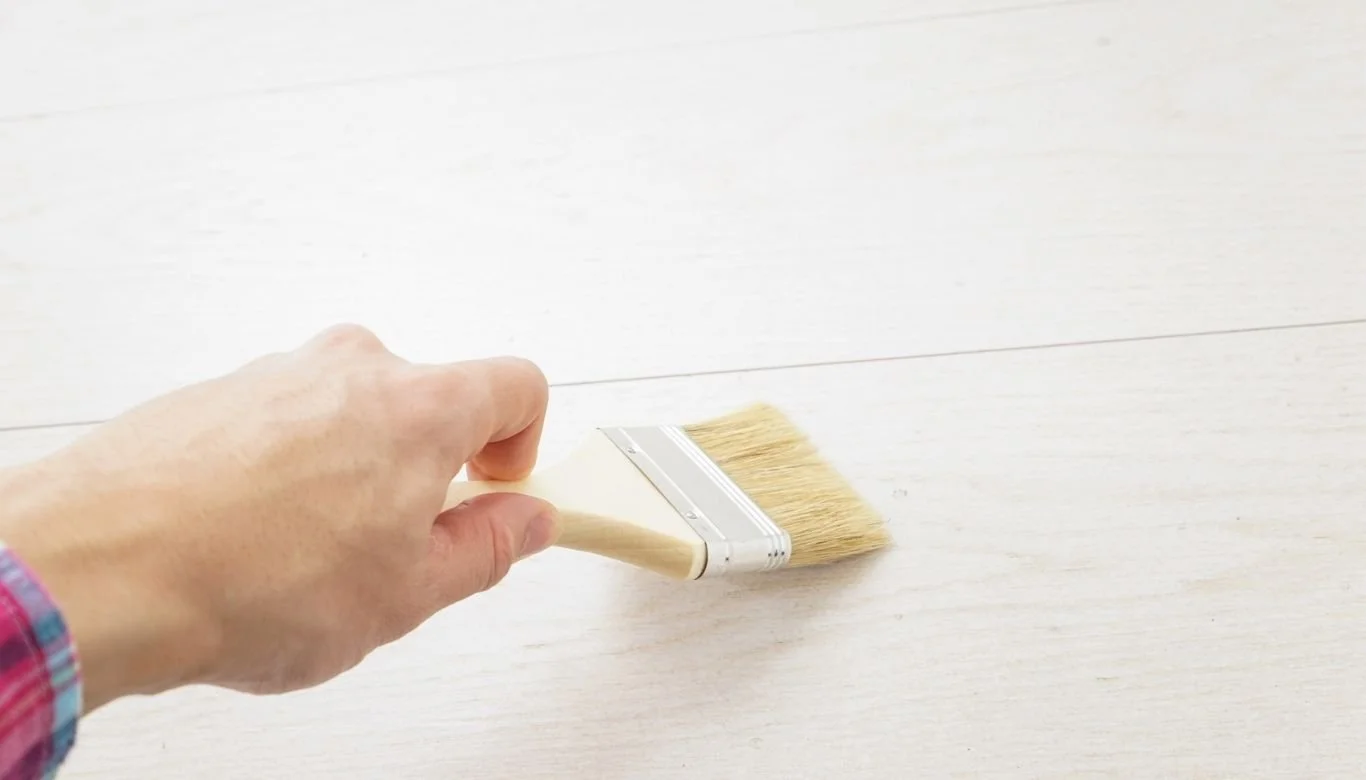
Most modern hardwood today is coated with polyurethane or factory applied finishes that are not compatible with wax. Applying floor wax for hardwood floors on these surfaces can cause smudging, dull spots, adhesion problems, and long term refinishing challenges.
Using floor wax for hardwood floors on polyurethane finishes often creates sticky residue and prevents the wood from being recoated properly. Many homeowners learn this the hard way when they attempt a professional refinish and discover the wax cannot be sanded out easily.
If your floors were installed within the last twenty years, there is a strong chance they should not be waxed at all.
The Pros of Floor Wax for Hardwood Floors
Even with its limitations, waxing can be beneficial in the right setting.
Classic appearance
Wax creates a warm, natural sheen that many people love. It highlights character without producing a plastic-like gloss.Spot treatment ability
Wax can be added to small worn areas without needing to treat the entire floor.Low cost maintenance
Floor wax for hardwood floors is inexpensive and easy for homeowners to apply once they learn the technique.Low chemical exposure
Waxed floors typically have low VOC levels, which is appealing to homeowners sensitive to strong odors or chemicals.
The Cons of Floor Wax for Hardwood Floors
Wax also comes with drawbacks that homeowners must consider.
Time consuming upkeep
Wax must be stripped and reapplied periodically, especially in high traffic areas.Moisture sensitivity
Because floor wax for hardwood floors does not create a sealed surface, spills can lead to damage if not cleaned quickly.Not compatible with modern finishes
Most new hardwood cannot be waxed without causing long term issues.Difficult refinishing
Wax sinks into the wood grain. When the time comes to refinish, sanding does not always remove it completely. This can interfere with stains and topcoats.
Which Floors Benefit Most from Waxing
Waxing is ideal for unfinished floors or those treated with penetrating oil finishes. These floors absorb the wax and build a rich, durable base that can be refreshed over time.
Older hardwood in historic homes
Wax complements the original character and adds subtle luster.Unfinished solid hardwood
Wax seeps into the fibers and provides a natural, breathable finish.Penetrating oil finished floors
Wax and oil work together to protect the wood from within.
In these cases, floor wax for hardwood floors acts as a protective and restorative treatment, giving the surface a soft, hand-rubbed appearance.
Modern Alternatives to Waxing
As flooring technology has evolved, many homeowners now choose finishes that are more durable and easier to maintain.
Polyurethane Finishes
These remain the most common choice today. They resist scratches, spills, and daily wear much better than wax. Maintenance is simple, requiring only approved wood cleaners and occasional professional buffing and recoating.
Hard Wax Oils
Unlike traditional wax, hard wax oils penetrate the wood and create stronger protection against moisture and abrasion. They give a similar matte look but with superior durability.
Oil or Natural Finishes
These finishes can be refreshed without sanding and offer a more natural feel than polyurethane, but they still outperform wax in long term wear.
If your floors already have one of these finishes, floor wax for hardwood floors should not be applied.
How to Maintain a Waxed Hardwood Floor
If your floors truly are wax finished, here is how to keep them in top condition.
Buff regularly
Buffing revives the shine and smooths out uneven areas.Avoid water
Moisture can cloud or weaken the wax layer.Use wax-compatible cleaners
General cleaners can strip or damage wax.Rewax periodically
A fresh coat every year or two keeps the floor protected and attractive.
In a world where many homeowners prefer low maintenance finishes, waxing requires more involvement but delivers a traditional result some people still prefer.
Should You Switch to a Modern Finish
If maintaining floor wax for hardwood floors feels overwhelming, refinishing with polyurethane or hard wax oils may be easier long term. These finishes require less upkeep and offer stronger protection.
However, converting from wax to another finish requires complete wax removal, which can be labor intensive. A professional evaluation is recommended before making the switch.
Q&A
How do I know if my floor has wax on it
Rub a small amount of mineral spirits on the surface. If it becomes cloudy, it likely contains wax.
Is floor wax for hardwood floors safe for pets
Yes, but keep pets off the floor while the wax is drying to avoid streaks or paw marks.
Can I wax engineered hardwood
Only if it was originally finished with penetrating oil. Most engineered floors should never be waxed.
Can wax make floors slippery
Wax can feel slick if applied too thickly. Proper buffing reduces this.
How often should I reapply floor wax for hardwood floors
High -raffic homes may require yearly recoating, while low traffic areas may last longer.