
The Most Common Causes of a Crowned Floor in 2025
A crowned floor is one of the most misunderstood hardwood issues homeowners face. Instead of the edges lifting upward the way they do when a hardwood floor is cupping, the center of each plank rises higher than the edges and forms a gentle mound. This is not just an appearance issue. A crowned floor signals a deeper moisture imbalance that can permanently damage the wood if it is not corrected quickly.
Understanding what creates a crowned floor helps you avoid unnecessary sanding, refinishing, or full replacement.
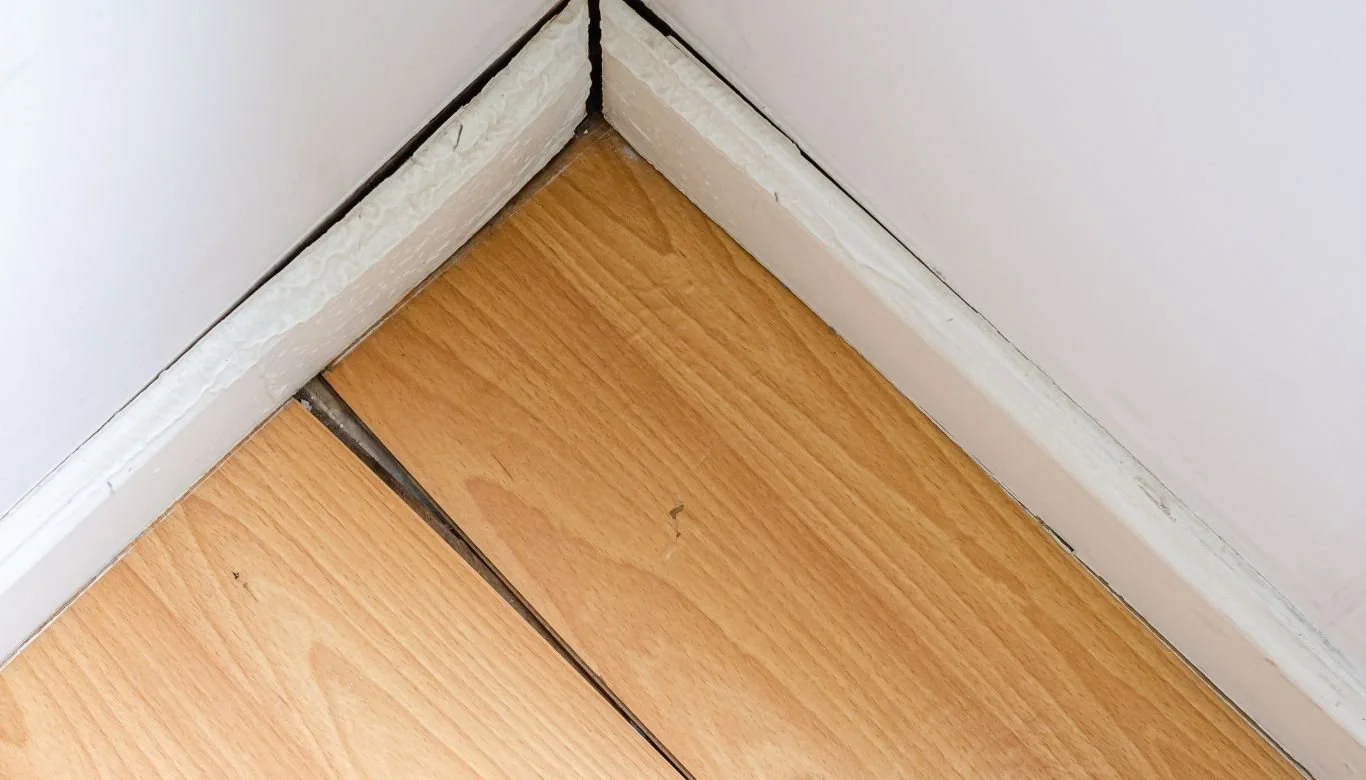
How a Crowned Floor Forms
A crowned floor forms when the top of the plank contains more moisture than the bottom. When the surface absorbs water, it expands. Since the bottom remains stable, the center rises and the edges stay lower.
Here are the most common causes in 2025.
Excess Surface Moisture
Spills, repeated mopping with too much water, trapped moisture under rugs, or finishing a floor that has absorbed humidity can all lead to a crowned floor. Unlike when a hardwood floor is cupping, the moisture is concentrated on the surface layer.
Incorrect Drying Methods
A crowned floor often appears after a floor that was previously cupped dries too fast. The edges were sanded before the boards reached equilibrium, making them thinner than the center. When the wood finally dries, the center becomes the high point.
Moisture Imbalance in the Home
Seasonal shifts, HVAC issues, or poor ventilation can cause the top layer of the wood to take in more moisture than the underside. This imbalance creates the exact conditions needed for a crowned floor to develop.
How a Crowned Floor Differs from When a Hardwood Floor Is Cupping
Both conditions are moisture related, but they happen for very different reasons.
A crowned floor rises in the middle while the edges stay low.
A hardwood floor is cupping rises along the edges while the middle sinks.
A crowned floor happens when moisture sits on the surface.
A hardwood floor is cupping happens when moisture sits underneath the planks.
A crowned floor can be created by sanding too early.
A hardwood floor is cupping usually forms due to humidity, leaks, or wet subfloors.
Both issues must be treated by fixing the moisture source first. If not, sanding or refinishing will make the problem much worse.
Diagnosing a Crowned Floor in Your Home
Before assuming sanding will fix the problem, take these steps.
Step One: Check for Moisture Sources
Identify spills, leaks, humid areas, appliances with condensation, or cleaning habits that use too much water. A crowned floor cannot correct itself until the environment stabilizes.
Step Two: Compare Plank Height
Run your hand across several boards. If the center feels higher than the edges, you are likely dealing with a crowned floor rather than a situation where a hardwood floor is cupping.
Step Three: Measure Humidity Levels
Interior humidity between thirty five and fifty five percent is ideal. Anything outside this range can contribute to crowning.
Step Four: Inspect for Previous Sanding
If the floor was recently sanded after appearing uneven, the sanding may have been done too soon. This is one of the fastest ways to create a crowned floor.
Can a Crowned Floor Fix Itself
Minor cases can improve over time. If the moisture imbalance is corrected and the boards return to equilibrium, a crowned floor may flatten slightly over several weeks. However, if the floor was sanded before it fully dried, the edges are permanently thinner and the crowned floor will not self correct.
When the issue is severe, or if your hardwood floor is cupping in other rooms, a professional inspection is the safest path.
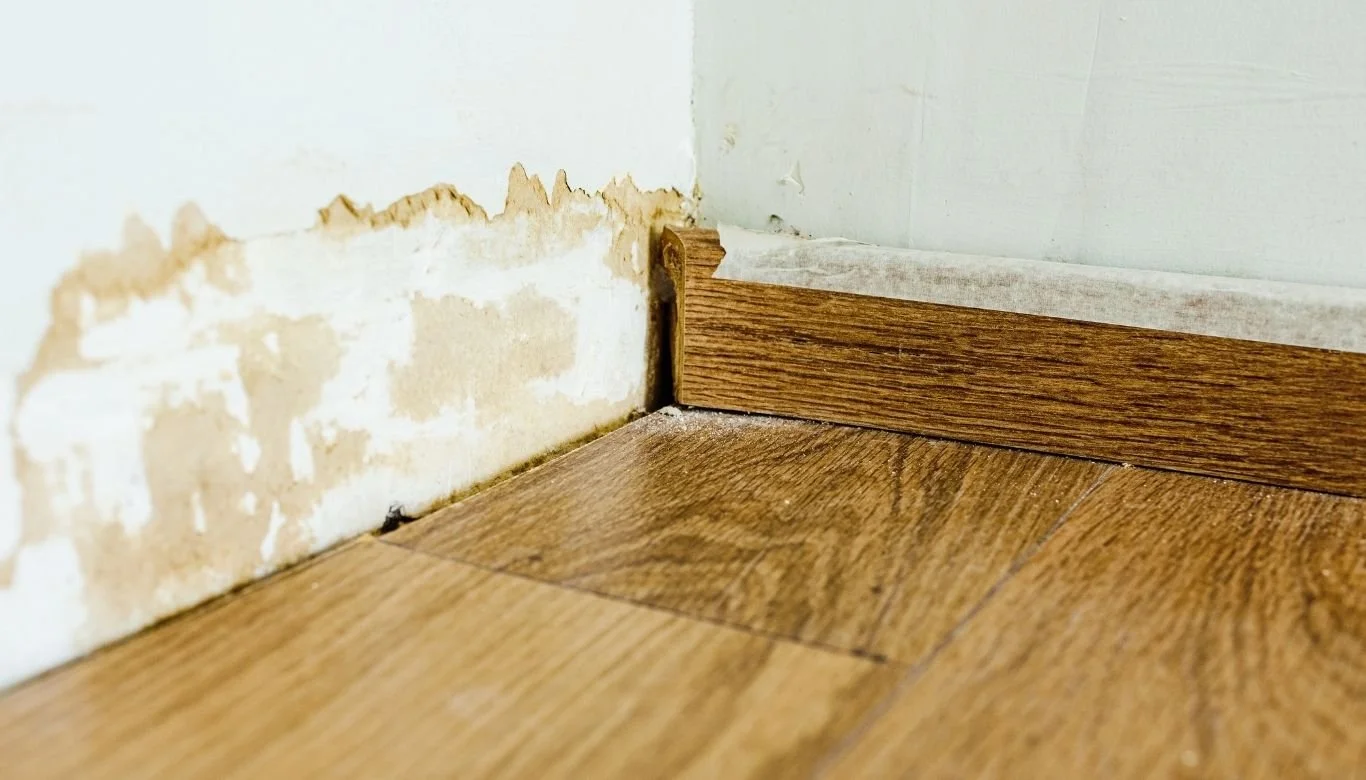
Repair Methods for a Crowned Floor
Repair depends on the cause and severity.
Correction of Moisture Levels
The first step is always stabilizing indoor humidity. You cannot sand a crowned floor until the wood reaches equilibrium. This prevents further distortion.
Rebonding or Securing Loose Boards
Sometimes the crowned floor is caused by loosened planks that need reinforcement. Tightening, nailing, or screwing from beneath can restore stability.
Professional Sanding and Refinishing
Once moisture levels normalize, sanding can flatten the crowned area. This should only be done after a long drying period to avoid making the problem worse.
Partial Replacement
If the damage is severe, especially in older homes where a hardwood floor is cupping elsewhere or moisture damage is widespread, replacing individual sections may be necessary.
How to Prevent a Crowned Floor in the First Place
Crowning is preventable with a few simple habits.
Keep indoor humidity steady year round.
Avoid wet mopping or excessive water use.
Do not sand floors until they are completely dry.
Check for leaks around appliances, windows, and plumbing.
Allow new flooring to acclimate properly before installation.
Use entry mats to reduce moisture tracking.
Most crowned floor issues begin as small moisture problems that escalate over time. Prevention is always easier than repair.
When to Call a Professional
You should call a flooring specialist if:
The crowned floor covers a large section of the room
There are signs that a hardwood floor is cupping in nearby areas
You recently sanded the floor and the shape worsened
Moisture readings are inconsistent or unclear
You notice soft spots, movement, or structural instability
A specialist can determine whether the crowned floor just needs moisture correction or a full refinishing process.
Q&A
Why does a crowned floor happen in the first place
It forms when the top of the wood absorbs more moisture than the underside.
Can a crowned floor be sanded immediately
No. Sanding too early will permanently distort the boards.
Is a crowned floor dangerous
It is not dangerous but it signals moisture problems that can damage the subfloor.
What if the boards feel uneven in multiple rooms
You may have both a crowned floor and areas where the hardwood floor is cupping, which requires a full moisture assessment.
How long before a crowned floor flattens
Minor cases may improve in several weeks once humidity is stabilized.
Bring Your Hardwood Floors Back to Life
For over 80 years, Sandover Floors has helped homeowners across Greater Vancouver and the Fraser Valley restore, refinish, and repair their hardwood floors with care and precision. Whether you’re tackling small paint spots or large surface damage, our team knows how to remove paint from hardwood floors without compromising their beauty.
From refinishing and restoration to repair and staining, we make your floors look new again — the right way.
Visit our homepage or contact us today to schedule your free estimate.