
How to Clean Engineered Hardwood Floors the Right Way
Engineered hardwood flooring brings the warmth of natural wood with the practicality modern homes need. But even the toughest floors lose their glow without proper care. The truth is, learning how to clean engineered hardwood floors is less about effort and more about using the right techniques.
At Sandover Floors, we’ve spent over 80 years restoring, refinishing, and staining hardwood across Vancouver and the Fraser Valley. Here’s our expert guide on how to clean engineered hardwood floors so they stay beautiful for decades to come.

1. Understand What Makes Engineered Hardwood Different
Unlike solid hardwood, engineered floors are made of multiple layers of wood with a real hardwood veneer on top. That top layer still needs care — but the layers underneath make the flooring more resistant to humidity and temperature changes.
This means that when it comes to how to clean engineered hardwood floors, using excess water or harsh chemicals can damage the veneer or cause the layers to swell. Gentle, consistent maintenance is key.
Discover expert refinishing for engineered hardwood floors
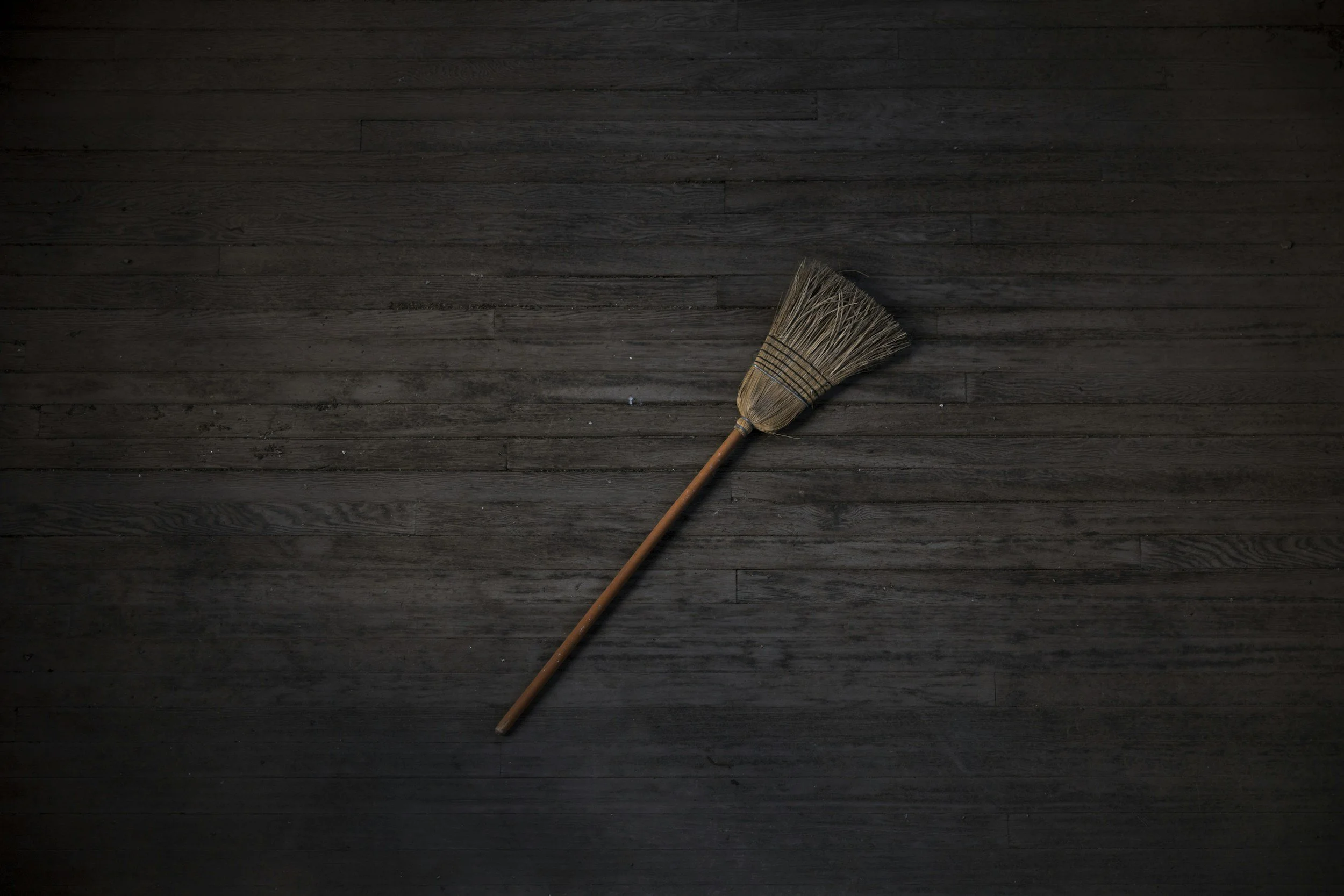
2. Sweep or Vacuum Daily to Prevent Scratches
Dust, sand, and pet hair are your floor’s worst enemies. Tiny particles act like sandpaper, dulling the finish over time. The best tip for how to clean engineered hardwood floors starts with prevention.
Use a soft-bristle broom or microfiber dust mop daily.
If vacuuming, make sure it’s on the hard floor setting — never use a beater bar.
Target high-traffic zones like entryways and kitchens, where grit accumulates fastest.
A quick daily sweep protects your floor’s finish and saves you from expensive refinishing later.
3. Mop Weekly — But Keep It Damp, Not Wet
Water is the silent enemy of engineered hardwood. When learning how to clean engineered hardwood floors, the golden rule is: less is more.
Follow these steps for a safe clean:
Use a damp microfiber mop, not a soaking wet one.
Choose a pH-neutral hardwood floor cleaner (avoid vinegar and ammonia).
Mop in the direction of the wood grain.
Dry immediately with a clean towel to prevent moisture from seeping into seams.
Never steam clean engineered wood — it forces moisture into layers that can cause warping and bubbling.
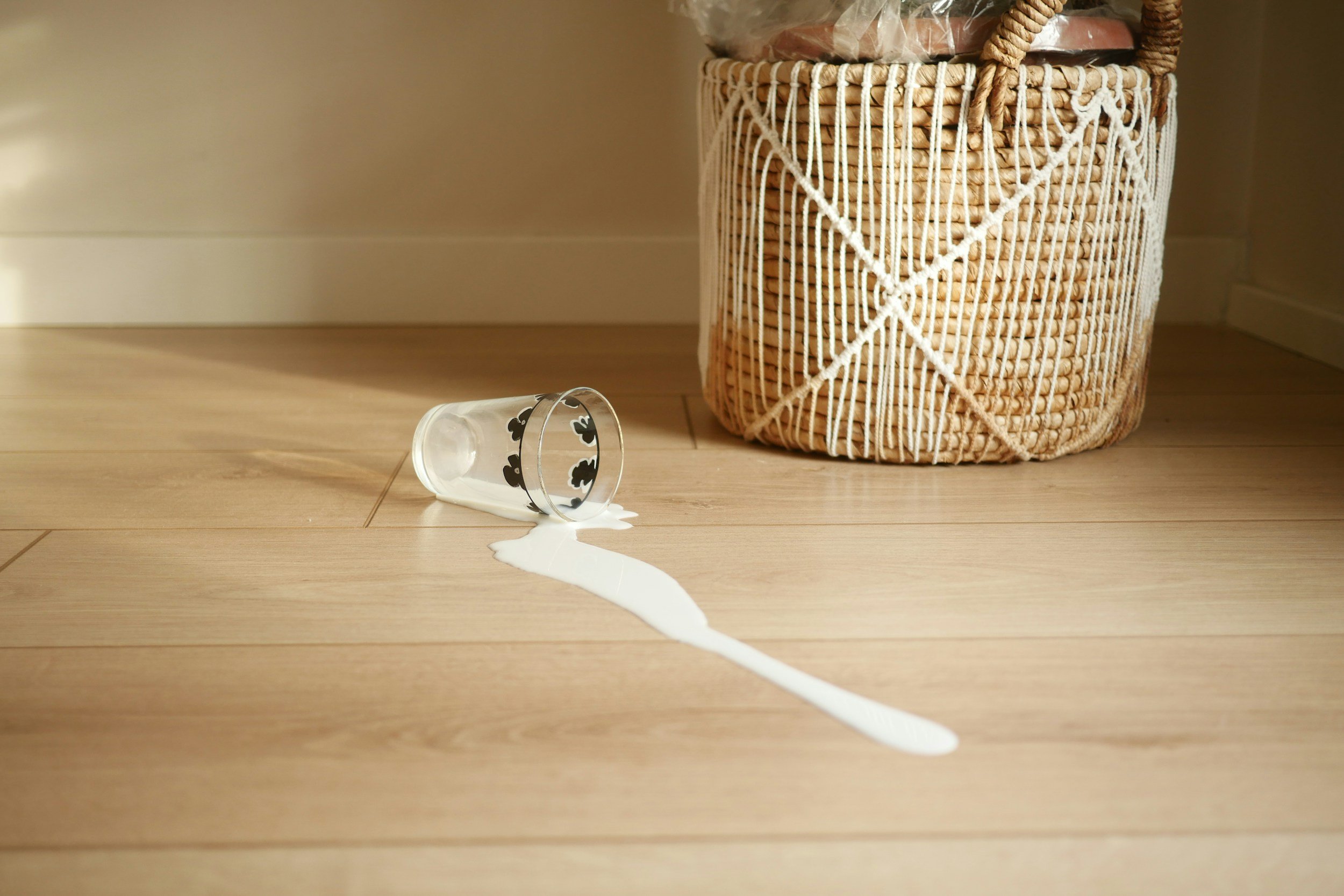
4. Handle Spills Immediately
Accidents happen. The key to keeping your floors safe is acting fast. Liquids can seep into cracks and cause swelling or discoloration.
When it comes to how to clean engineered hardwood floors after a spill:
Blot (don’t rub) the liquid with a microfiber cloth.
Wipe dry right away.
Avoid harsh scrubbing or scouring pads.
For sticky spills, use a slightly damp cloth with a drop of mild dish soap — then dry thoroughly.
5. Deep Clean Monthly
Even with daily maintenance, grime builds up. Once a month, deep clean using a hardwood-safe cleaner:
Lightly mist the surface — never pour cleaner directly.
Mop gently with a microfiber head.
Rinse with clean water if needed, then dry completely.
If you’re wondering how to clean engineered hardwood floors that have lost their shine, this monthly care routine keeps them fresh without stripping their protective finish.
6. Polish or Oil Twice a Year
Rejuvenating your engineered floors twice a year helps maintain their rich tone. Use products specifically labeled for engineered hardwood, and always test a small area first.
Apply a thin, even layer of polish following the grain. Too much product can make the surface slippery and dull.
When clients ask us how to clean engineered hardwood floors for long-term protection, we recommend this twice-yearly polish routine — it nourishes the finish and enhances the natural wood character.
7. Avoid These Common Cleaning Mistakes
Even the most durable engineered wood can suffer from poor cleaning habits. To truly master how to clean engineered hardwood floors, avoid these at all costs:
Steam cleaning — too hot, too wet, too risky.
Vinegar or ammonia — both dull the finish.
Bleach or abrasive cleaners — strip protective layers.
Steel wool or scouring pads — leave permanent scratches.
Excess water — leads to swelling and cupping.
Protect your investment by using gentle tools and floor-safe products only.
8. Long-Term Maintenance Tips
Beyond knowing how to clean engineered hardwood floors, prevention and protection matter just as much:
Place rugs or runners in high-traffic zones.
Add felt pads under furniture legs.
Maintain consistent humidity levels indoors.
Use UV-blocking curtains to prevent sun fading.
Refinish your floors every 10–15 years if the veneer allows.
With the right care, engineered hardwood can last as long as traditional wood — and look even better doing it.

Frequently Asked Questions
Can I use vinegar to clean engineered hardwood floors?
No. Vinegar is acidic and can dull the finish. Stick to pH-neutral cleaners specifically made for engineered wood.
What’s the best mop for engineered hardwood floors?
A microfiber mop is best — it cleans without leaving streaks or moisture behind.
Can I steam clean engineered hardwood floors?
Never. Steam can damage the layers and cause delamination or warping.
How often should I clean engineered hardwood floors?
Sweep daily, mop weekly, and deep clean monthly for best results.
How do I remove scuff marks or dull spots?
Use a soft microfiber cloth with a hardwood-safe polish. If damage persists, professional refinishing may be needed.
Bring Your Hardwood Floors Back to Life
At Sandover Floors, we’ve been restoring and refinishing hardwood since 1939 — long before “engineered wood” became a trend. Whether your floors need a simple polish or full restoration, our experts can make them look brand new again.
From floor refinishing and staining to repairs and complete restoration, we treat every project with craftsmanship and care.
Visit our homepage to learn more, or contact us today to schedule your free consultation.