
Hardwood floors are more than just a surface in your home; they are a long-term investment that adds warmth and value to your property. Since 1939, our family at Sandover Floors has seen how the right maintenance can keep a floor looking magnificent for decades. However, one of the most frequent questions we hear from homeowners across Greater Vancouver is: "How do I clean hardwood floors without damaging the finish?"
In our damp West Coast climate, local floors face unique challenges, from tracked-in rainwater to shifting humidity levels. Whether you have historic solid oak in a North Vancouver heritage home or modern engineered planks in a Langley townhouse, knowing the correct techniques is essential. This guide will walk you through the professional-grade methods we recommend to keep your floors pristine.
The Foundation of Floor Care: Why the Method Matters
When homeowners ask, "how do I clean hardwood floors?", they are often surprised to learn that less is more. Many off-the-shelf products contain waxes or oils that create a temporary shine but eventually leave a sticky, dull film. Over time, this buildup can actually make your floors harder to clean and may even complicate the process when it eventually comes time for a professional refinishing.
Using the wrong tools, like a soaking wet mop or a steam cleaner, is the fastest way to cause permanent damage. High heat and excessive moisture can cause wood fibres to swell, leading to "cupping" or gaps between the boards. By following a professional routine, you protect the wood’s integrity and the longevity of the finish.
Step-By-Step: How Do I Clean Hardwood Floors Effectively?
To achieve a professional-level clean at home, you don't need expensive machinery. You simply need the right sequence of steps and a bit of patience.
1. Clear the Surface Gritt
Before any liquid touches the floor, you must remove loose debris. In the Fraser Valley, fine grit and sand are often tracked indoors; if left on the floor, these particles act like sandpaper under your feet, micro-scratching the finish.
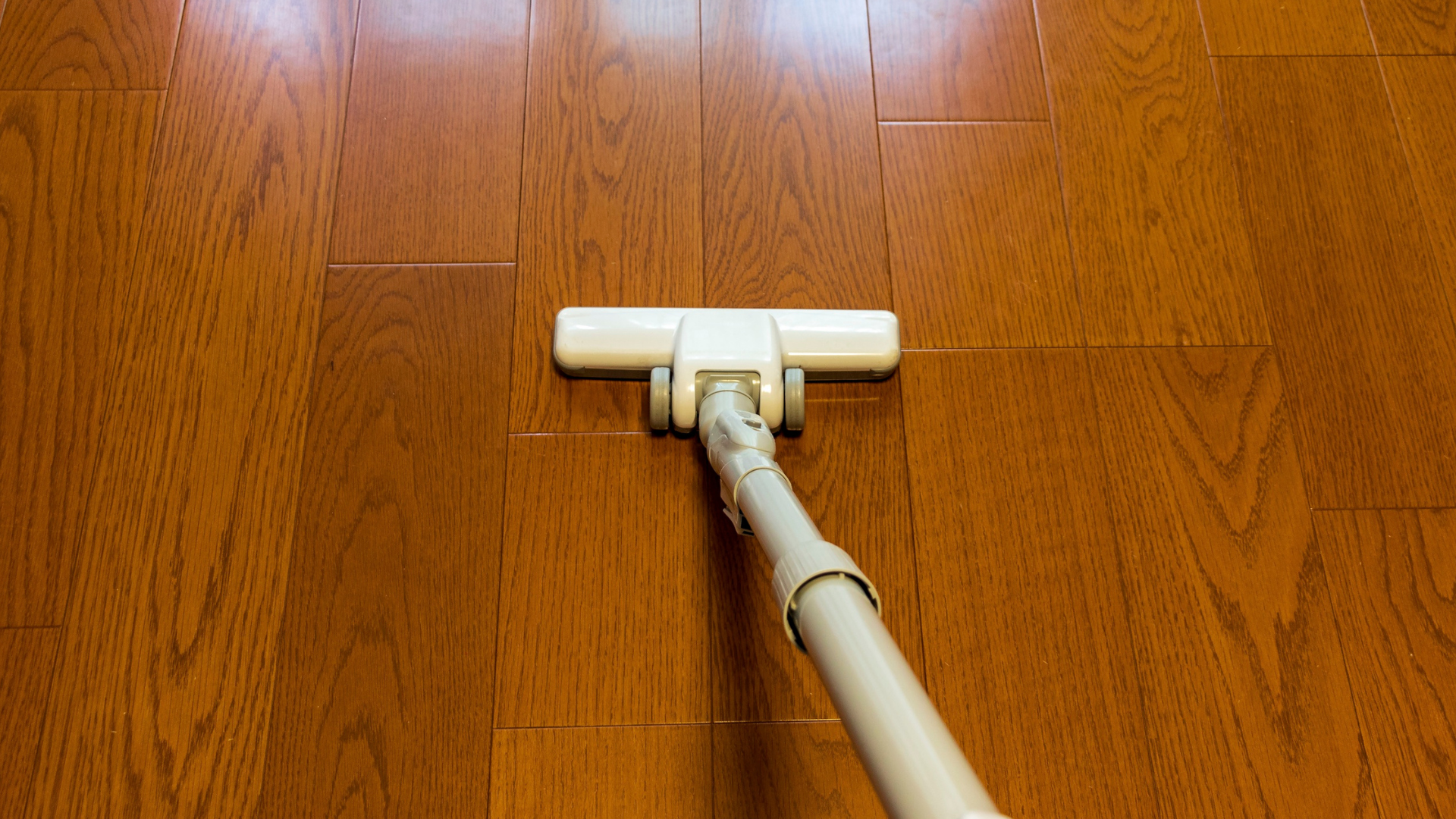
The Tool: Use a soft-bristle broom or a vacuum specifically designed for hard floors (ensure the "beater bar" is turned off).
The Goal: Remove every bit of dust from the grain and the bevelled edges between planks.
2. Choose a pH-Neutral Cleaner
The chemistry of your cleaner is vital. Avoid vinegar, ammonia, or "all-purpose" sprays. These are often too acidic or alkaline and will slowly eat away at the protective topcoat. We recommend a pH-neutral hardwood floor cleaner (such as Bona or a similar professional-grade solution) that evaporates quickly without leaving a trace.
3. The "Damp-Only" Mop Technique
If you are wondering, "how do I clean hardwood floors without warping them?", the secret is in the moisture level.
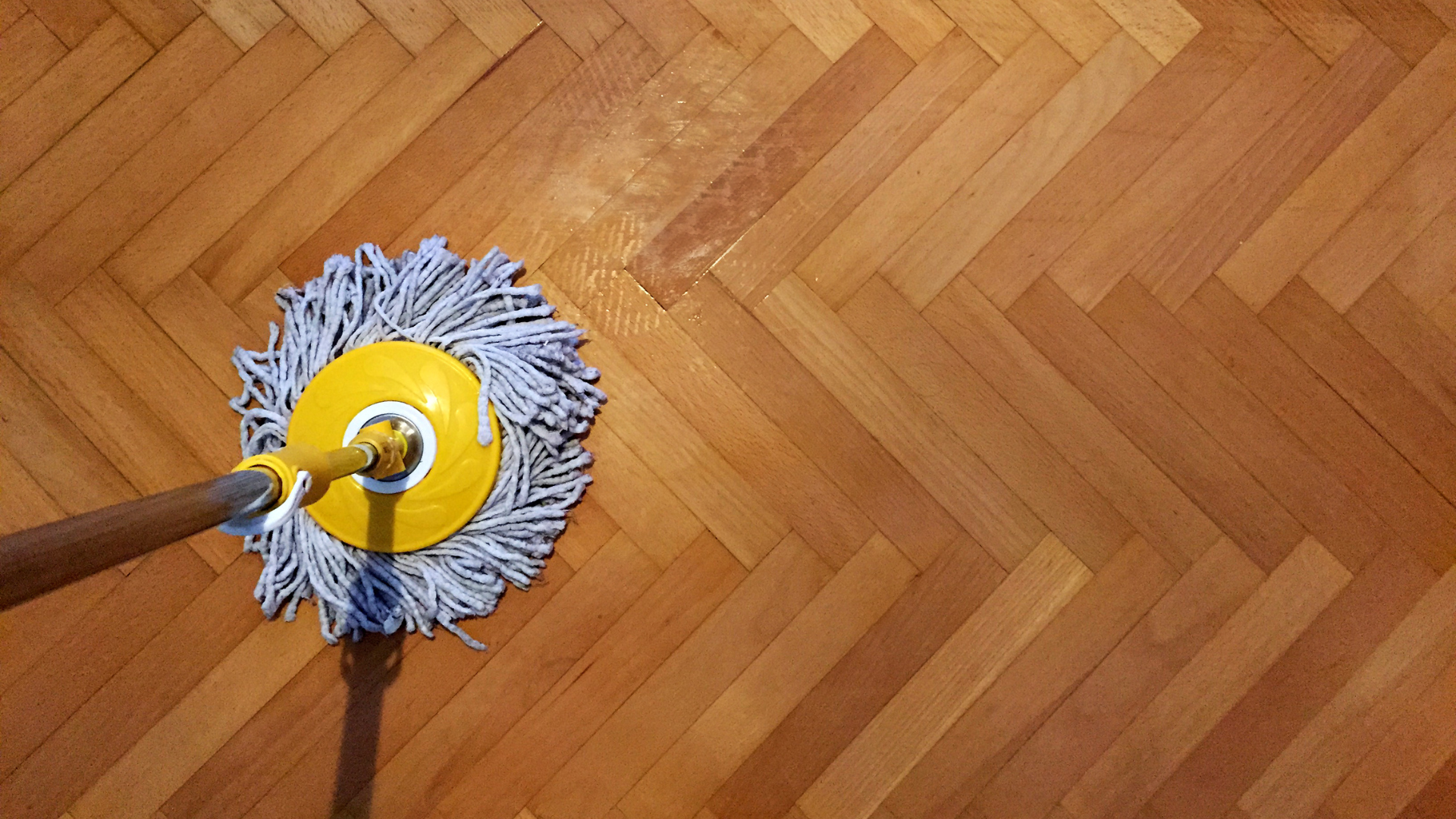
Mist, don't pour: Lightly mist the cleaning solution onto a microfiber mop head or directly onto a small section of the floor.
Work with the grain: Move the mop in the direction of the wood planks to lift dirt out of the natural texture.
Rinse frequently: If you are cleaning a large area, such as a full main floor in a Burnaby home, swap out your microfiber pad as soon as it looks grey.
Professional Tip: If you notice any "cloudiness" or streaks after you finish, it usually means there was still dust on the floor before you started mopping, or the mop pad was too dirty.
Need Expert Advice on Your Floors?
If your floors have lost their luster despite regular cleaning, they may need a professional deep clean or a fresh coat of finish. Our team has served the Lower Mainland for over 80 years and is happy to help. You can contact us for a free consultation to see if your floors are candidates for a refresh.
Dealing with Local Challenges: The Vancouver Climate
Living in Greater Vancouver and the Fraser Valley means dealing with high humidity and plenty of rain. This environment affects the answer to "how do I clean hardwood floors?" in a few specific ways:
The "Muddy Paw" Factor: During the rainy season, moisture can sit in the wood's pores. Keep a microfiber cloth near the door to immediately blot up wet footprints.
Humidity Control: Wood is a natural material that breathes. We recommend keeping your home’s humidity between 35% and 55%. If it gets too humid, the wood expands; if it’s too dry, it shrinks. A stable environment makes cleaning much easier because it prevents cracks where dirt can hide.
Mat Placement: Use breathable mats at every entrance. This catches the salt and grit used on Vancouver sidewalks in the winter before it ever reaches your hardwood.
What to Avoid: Common Cleaning Mistakes
When people ask "how do I clean hardwood floors?", they often mention "hacks" they found online. As flooring experts since 1939, we advise you to stay away from the following:
Steam Mops: We cannot emphasize this enough. Steam forces moisture deep into the wood. We have seen many beautiful floors in Richmond and Surrey ruined by the repeated use of steam.
Vinegar and Water: While it’s a great natural cleaner for glass, the acid in vinegar will eventually dull a polyurethane finish, making it look hazy.
Oil Soaps: These products often promise a "glow," but they leave a residue that attracts more dirt and makes the floor slippery.
How Often Should I Be Cleaning?
The frequency of your routine depends on the traffic in your home.
Daily: High-traffic areas like kitchens and entryways should be swept or dust-mopped daily to prevent grit buildup.
Weekly: A damp mop with a professional cleaner is usually sufficient once a week for the average household.
Seasonally: Every few months, take a closer look at the finish. If water no longer beads on the surface but instead soaks in, the finish may be wearing thin.
If you find yourself constantly asking, "how do I clean hardwood floors to make them look new again?" and the cleaning isn't working, it might be time for a professional restoration. Over decades of use, even the best-maintained floors will eventually need the expertise of a craftsman.
Frequently Asked Questions
How do I clean hardwood floors that have a wax finish?
If your home has older, waxed floors (common in some 1940s-era Vancouver homes), you should never use water. Instead, use a specialized commercial wax cleaner and a buffer. If you aren't sure what finish you have, contact us and we can help you identify it.
Can I use a spinning mop to clean my wood floors?
Only if the mop head is wrung out until it is barely damp to the touch. The key is to ensure no standing water is left behind on the wood.
How do I clean hardwood floors after a renovation?
Post-construction dust is very fine and abrasive. We recommend vacuuming several times with a HEPA-filter vacuum before attempting to use any liquid cleaner.
Is it safe to use dish soap on wood?
In a pinch, a very small drop of pH-neutral dish soap in a gallon of water is okay, but it is not ideal. It can leave a film that eventually makes the floor look "sticky."
Consistent Care for Lifelong Beauty
At the end of the day, the answer to "how do I clean hardwood floors?" is simpler than most people think: keep them dry, keep them free of grit, and use the right chemistry. By establishing a consistent, gentle routine, you can ensure that your floors remain the highlight of your home for generations to come.
Sandover Floors has been the trusted name for hardwood flooring in Vancouver and the Fraser Valley for over eight decades. We believe in doing things the right way the first time. If your floors have reached a point where simple cleaning is no longer enough to bring back their shine, we are here to help.
Whether you need a simple repair or a full-home restoration, we invite you to contact us today. Let our family’s history of craftsmanship help you protect the future of your home.