
The Biggest Floor Refinishing Mistakes Homeowners Make
Floor refinishing sounds simple in theory. Rent a sander, pick a stain, apply a finish, and you’re done. The reality is very different. Professional refinishers spend years learning how to sand correctly, how to identify floor thickness, how to prep a subfloor, and how to avoid damage that can appear long after the job is finished.
For many homeowners, the trouble starts long before the sanding begins. Floors may be too thin, humidity levels may be off, or the tools being used are simply not appropriate. When these issues are ignored, the result is a floor that looks uneven, cracks, shows swirl marks, or needs to be redone entirely.
The good news is that avoiding these errors is simple once you know what to look for.
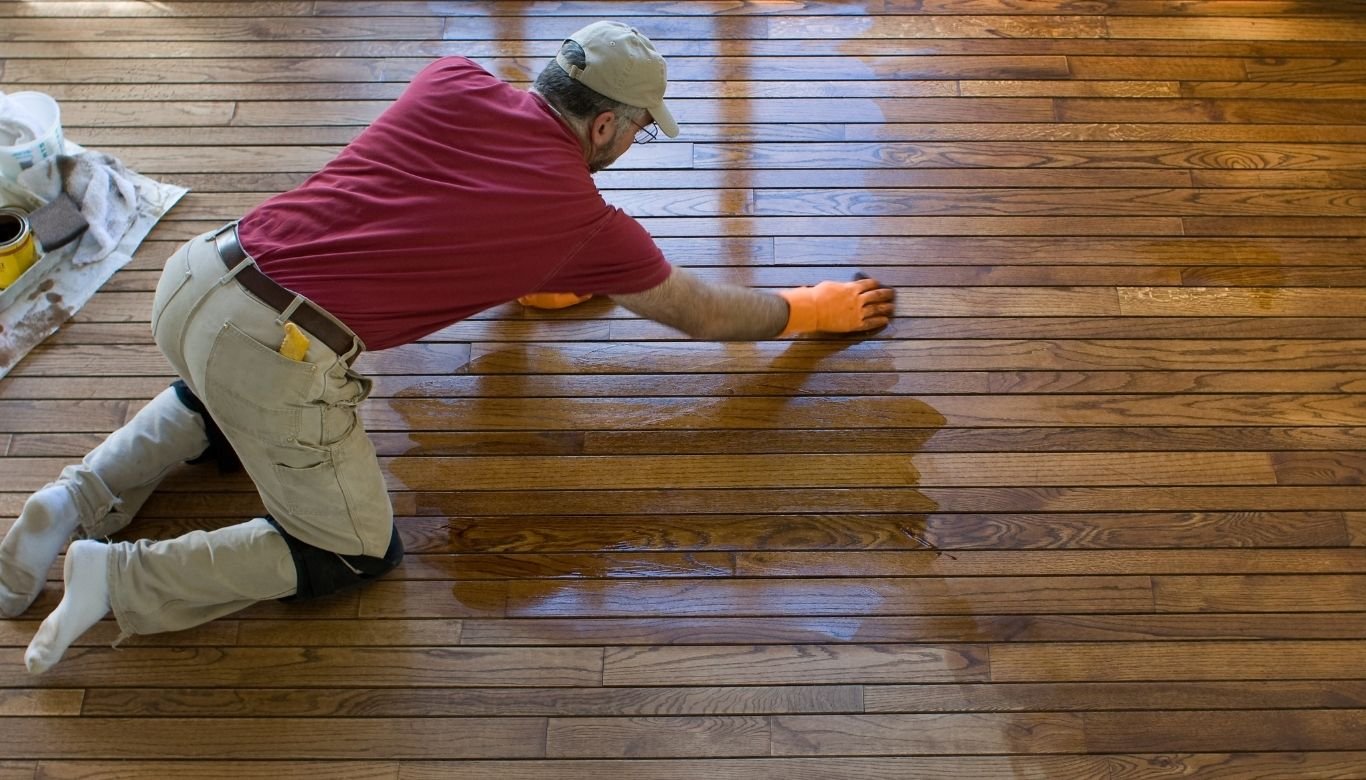
Mistake 1: Refinishing Floors That Shouldn’t Be Refinished
One of the most expensive floor refinishing mistakes is sanding a floor that is too thin. Many engineered hardwood floors have veneers under 3 millimeters. If the veneer is too small and you attempt floor refinishing, the drum sander can cut straight through the top layer and expose the plywood underneath. Once that happens, the only fix is total replacement.
Homeowners should always lift a vent cover or inspect leftover planks to confirm veneer thickness before any floor refinishing begins. Solid hardwood floors can be refinished several times, but engineered floors require more caution.
Mistake 2: Filling Hardwood Gaps With Wood Filler
Gaps in hardwood flooring are frustrating, but filling them with wood filler is often a mistake. Seasonal humidity changes cause boards to expand and contract. When the boards swell, they crush the filler, which later pops out when the room becomes dry again.
Instead of trying to fill every gap, homeowners should either accept them as natural character or consult a professional who can evaluate whether the floor requires deeper restoration rather than simple floor refinishing.
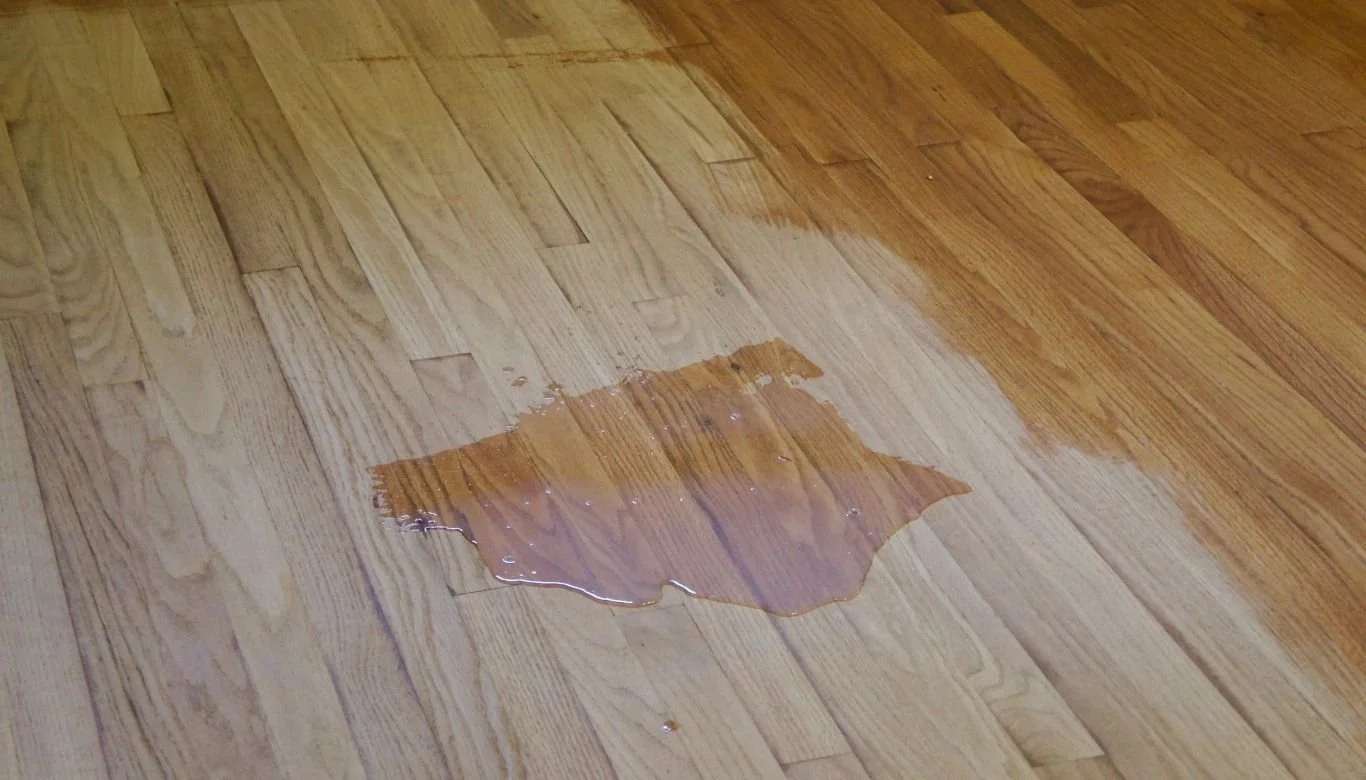
Mistake 3: Rushing Through Installation or Prep
Rushed installations lead to creaky floors, loose boards, and early failure. Proper prep work is one of the most important parts of floor refinishing. This includes tightening fasteners, checking for loose boards, sanding the subfloor, and making sure the floor is perfectly stable before any sanding begins.
Skipping prep work leads to uneven sanding and visible flaws that no amount of stain can hide.
Mistake 4: Using Only a Drum Sander
Many low-budget companies and DIY attempts rely on a drum sander alone. A drum sander removes the old finish, but it cannot create a perfectly flat surface. This step requires a planetary sander. Without it, the floor develops visible scratches, chatter marks, and inconsistencies that will be impossible to unsee once stain is applied.
Professional floor refinishing requires both machines working in sequence: drum sander first, planetary sander second.
Mistake 5: Choosing Cheap Finishes
Not all finishes are equal. Low-quality finishes dry unevenly, release stronger fumes, scratch easily, and often create a plastic-like surface. Premium water-based finishes offer better clarity, smoother results, faster drying, and a healthier environment during application.
Investing in a high-quality finish protects your floor refinishing investment and reduces how often you need to refinish in the future.
Mistake 6: Ignoring the Sanding Sequence
Floor refinishing requires a specific sanding sequence. You start with coarse grit, then move step by step through medium and fine grades. Each step removes scratches from the previous one. If you skip a grit, the marks will show through the stain and remain visible for the life of the floor.
This is one of the biggest reasons DIY refinishing goes wrong.
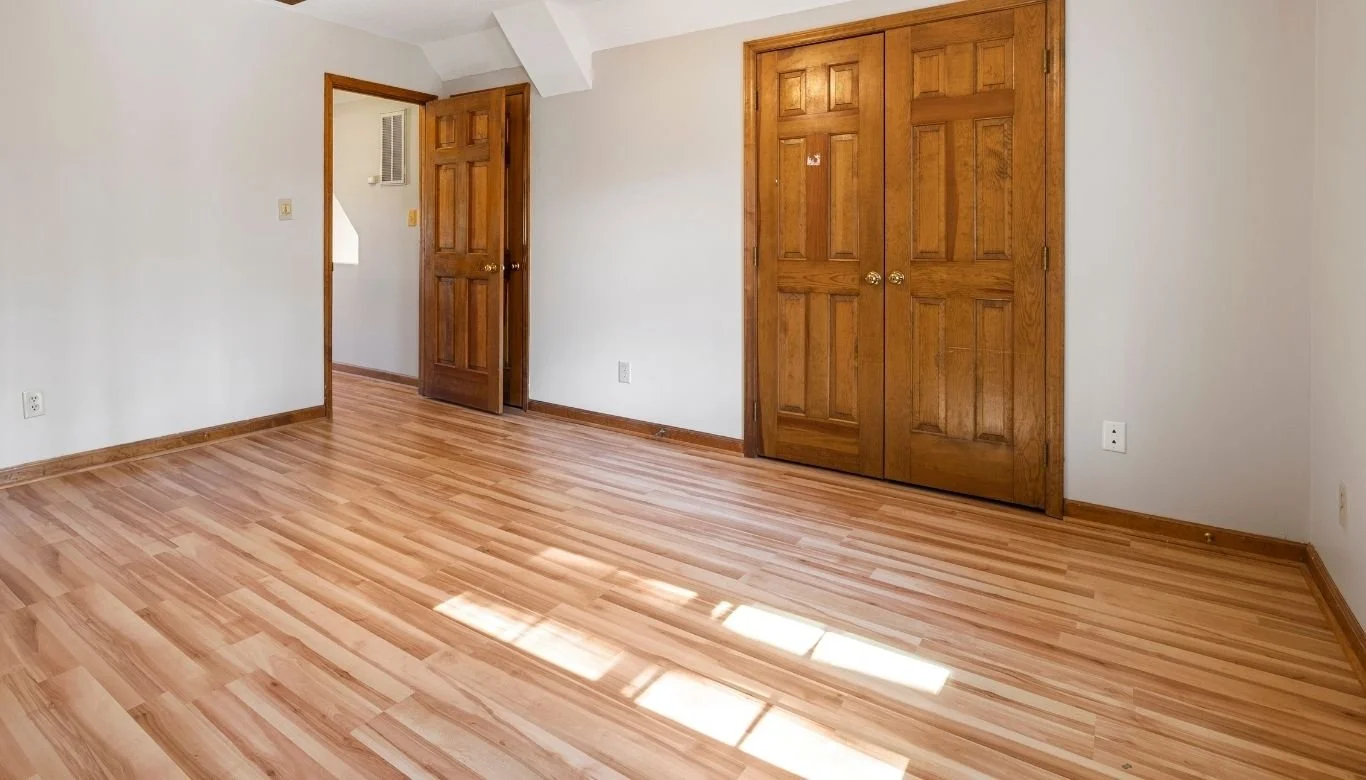
Mistake 7: Refinishing Over a Bad Subfloor
No amount of sanding can fix a weak or uneven subfloor. High spots must be sanded flat. Loose areas must be screwed down. Installing or refinishing hardwood over pressboard subfloors is a guaranteed failure.
A strong foundation determines whether the floor refinishing results will last decades or only a few years.
Mistake 8: Skipping Maintenance After Refinishing
Once floor refinishing is complete, maintenance coats must be applied regularly. Homes with kids, pets, or heavy foot traffic may need a maintenance coat every one to two years. Low-traffic homes may go longer.
If you wait too long and the finish wears through, you will need another full round of floor refinishing instead of a simple maintenance coat.
Mistake 9: Choosing the Cheapest Contractor
Cheapest almost always means fastest, and fastest almost always means shortcuts. Many homeowners choose the lowest quote and end up with swirl marks, uneven stain absorption, peeling finish, or premature wear. The difference between a cheap refinish and a professional one comes down to tools, technique, and time.
High-quality floor refinishing requires patience, precision, and proper equipment.
Q&A: Floor Refinishing
Can floor refinishing fix deep scratches?
Yes, as long as the floor has enough thickness to be sanded safely. Deep gouges may require board replacement.
How long does floor refinishing take?
A typical refinish takes two to four days depending on drying times, stain choice, and finish type.
How often should I schedule floor refinishing?
Most homes need it every seven to ten years, but maintenance coats can extend the lifespan significantly.
Should I attempt floor refinishing myself?
Only if your floors are thick, your subfloor is stable, and you are comfortable handling heavy equipment. Mistakes are costly, so many homeowners prefer a professional.
Which finish is best for modern homes?
Water-based finishes offer clarity and a clean, natural look without the amber tone of oil-based products.
Outro: Why Homeowners Trust Sandover Floors
Sandover Floors has been refinishing, restoring, and repairing hardwood flooring since 1939. Our craftsmen combine time-tested techniques with advanced equipment to deliver smooth, durable, long-lasting results. Whether you want to restore an older floor, change the stain color, or repair damage from years of use, our team provides the kind of workmanship that protects your investment for decades.
If you want floor refinishing done right the first time, Sandover Floors is here to help.
Bring Your Hardwood Floors Back to Life
For over 80 years, Sandover Floors has helped homeowners across Greater Vancouver and the Fraser Valley restore, refinish, and repair their hardwood floors with care and precision. Whether you’re tackling small paint spots or large surface damage, our team knows how to remove paint from hardwood floors without compromising their beauty.
From refinishing and restoration to repair and staining, we make your floors look new again — the right way.
Visit our homepage or contact us today to schedule your free estimate.