
Solid Hardwood Flooring: What Vancouver Homeowners Should Know Before Committing
For generations, solid hardwood flooring has been the standard in Vancouver homes. From early 1900s character houses in East Vancouver to mid-century properties in Burnaby and New Westminster, solid hardwood flooring has proven its longevity and value.
If you are considering installing new flooring or restoring what you already have, understanding how solid hardwood flooring performs in Greater Vancouver’s climate is essential. Whether you are exploring custom hardwood floor staining or evaluating your refinishing options, the right decision starts with the right information.
This guide explains what solid hardwood flooring is, how it compares to engineered products, when it makes sense locally, and how to protect it for decades to come.
What Is Solid Hardwood Flooring?
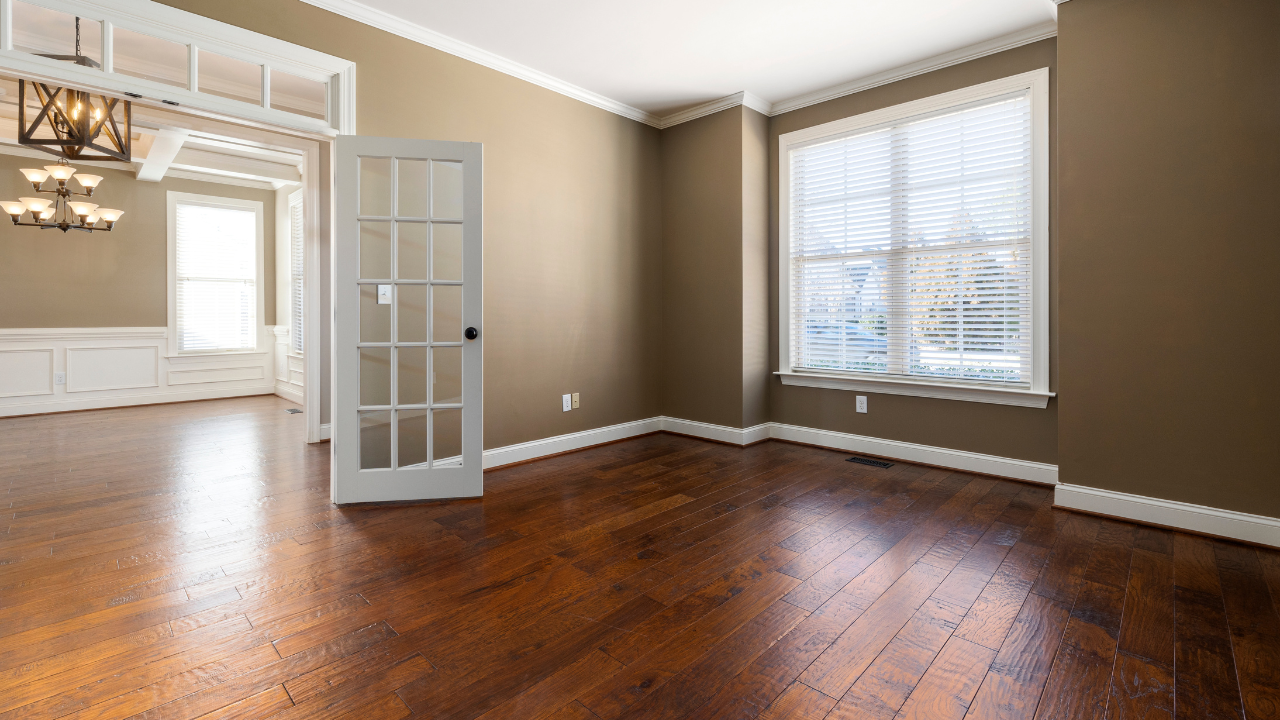
Solid hardwood flooring is made from a single piece of natural wood throughout the entire plank. Unlike engineered products, there are no plywood layers underneath. What you see on the surface is the same material all the way through.
Because of that construction, solid hardwood flooring can be sanded and refinished multiple times over its lifespan. In many Vancouver homes, the same solid hardwood flooring has been restored several times over 60 to 100 years.
That ability to renew the surface is one of the main reasons homeowners across Metro Vancouver continue to choose solid hardwood flooring for main living areas.
Solid Hardwood Flooring Vs Engineered Hardwood In Vancouver’s Climate
One of the most common questions we hear in Greater Vancouver is whether solid hardwood flooring is better than engineered hardwood.
The answer depends on the space.
Solid hardwood flooring expands and contracts naturally with seasonal humidity changes. Vancouver’s coastal climate brings moisture fluctuations throughout the year, especially during rainy months. Proper installation and acclimation are critical.
Engineered hardwood is constructed in layers, making it more dimensionally stable in environments with high moisture or concrete subfloors.
Where solid hardwood flooring works best locally:
Main floors over plywood subfloors
Heritage homes
Long term homeowners planning to refinish in the future
Where engineered flooring may be considered:
Basements
Concrete slabs
Areas with consistent humidity swings
If you are unsure which direction makes sense for your property, you can contact us to review your specific home and subfloor conditions.
The Biggest Advantage Of Solid Hardwood Flooring: Refinishing Potential
The true strength of solid hardwood flooring is not just its appearance. It is its ability to evolve with your home.
Solid hardwood flooring can be:
Sanded to remove scratches
Restained to modernize color
Refinished to adjust sheen
Repaired in sections
Many Vancouver homes still have original oak or fir floors that have been refinished several times. Instead of replacing them, professional hardwood floor refinishing restores their beauty.
For homeowners dealing with water damage, pet wear, or discoloration, hardwood floor restoration often brings solid hardwood flooring back to life without full replacement.
That long term flexibility is something engineered flooring simply cannot match in the same way.
Most Common Solid Hardwood Flooring Species In Greater Vancouver
In Metro Vancouver and the Fraser Valley, we frequently see these species used in solid hardwood flooring:
Red Oak
Affordable and versatile, red oak stains well and has moderate grain variation. Many mid-century Vancouver homes feature red oak.
White Oak
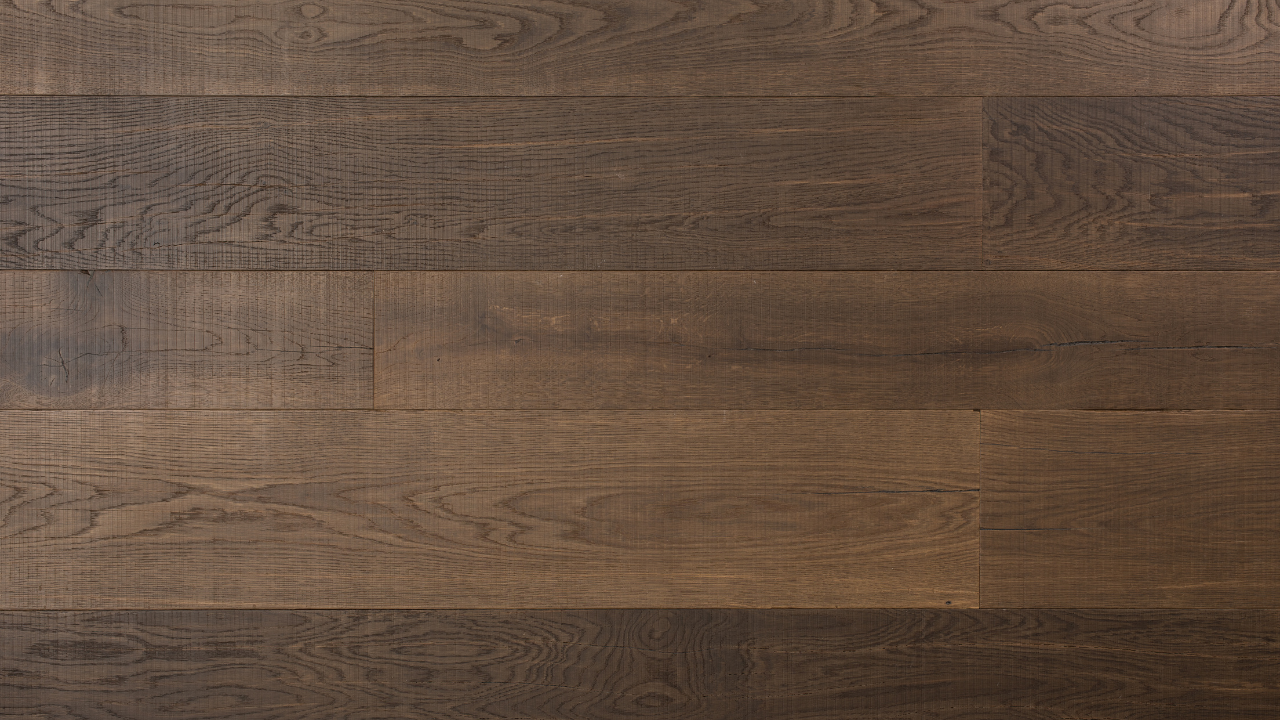
Slightly harder than red oak, white oak offers subtle grain and neutral undertones. It works well with contemporary stain colours.
Maple
Maple has a smooth grain and lighter base tone. It is harder than many oak varieties and performs well in high traffic areas.
Fir In Heritage Homes
Older Vancouver character homes often contain fir solid hardwood flooring. Fir is softer than oak but holds significant historical value. Professional hardwood floor repair is especially important with these older materials.
For reference on wood hardness, the Janka hardness scale published by the US Forest Service provides useful technical comparisons between species.
When Solid Hardwood Flooring Makes The Most Sense
Solid hardwood flooring is an excellent choice when:
You plan to stay in your home long term
You want the ability to refinish multiple times
Your subfloor is wood based and stable
You value natural material authenticity
In neighborhoods like Kitsilano, Mount Pleasant, Langley, and Abbotsford, homeowners often choose solid hardwood flooring to maintain architectural integrity.
According to industry guidance from the National Wood Flooring Association, proper installation and maintenance are key to ensuring solid hardwood flooring performs as expected over decades.
When Solid Hardwood Flooring May Not Be Ideal
Honest advice matters.
Solid hardwood flooring may not be the best choice in:
Basements below grade
Areas directly over concrete without proper subfloor preparation
Spaces with ongoing moisture issues
In these cases, evaluating alternatives carefully is important. However, many above-grade homes across Vancouver, Surrey, Richmond, and Chilliwack remain excellent candidates for solid hardwood flooring.
Maintenance Tips For Solid Hardwood Flooring In Coastal BC
Caring for solid hardwood flooring properly extends its lifespan significantly.
Use a soft broom or microfiber mop
Avoid steam cleaning
Clean spills promptly
Maintain stable indoor humidity
Vancouver’s rainy season can increase indoor humidity. Using proper ventilation and monitoring moisture levels helps prevent excessive expansion.
With professional maintenance and periodic refinishing, solid hardwood flooring can last generations.
A Long Term Perspective On Solid Hardwood Flooring
Unlike many modern flooring materials, solid hardwood flooring is not designed for short life cycles. It becomes part of the structure of your home.
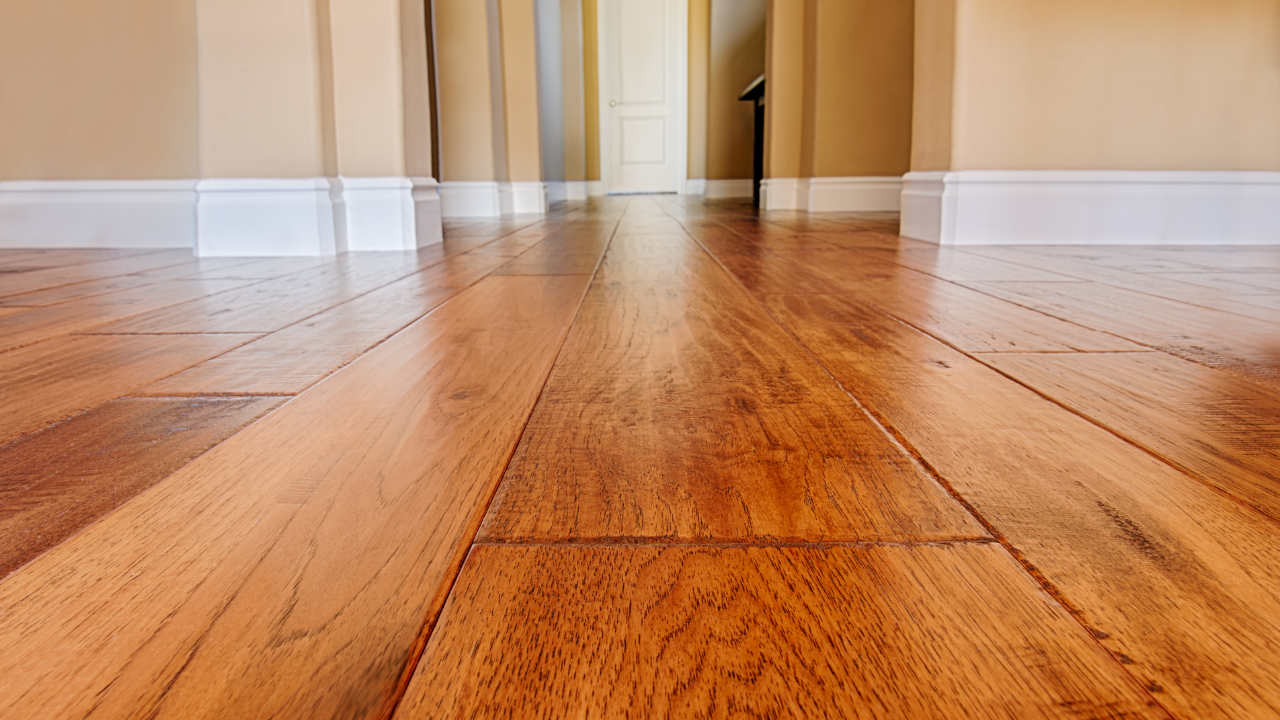
Over time, it develops character. Scratches can be removed. Colours can be updated. Wear can be corrected.
For homeowners in Greater Vancouver who value longevity, flexibility, and craftsmanship, solid hardwood flooring remains one of the most reliable flooring choices available.
If you would like to discuss whether solid hardwood flooring is right for your Vancouver or Fraser Valley home, you can contact us for a consultation tailored to your property.
Frequently Asked Questions
What Is Solid Hardwood Flooring?
Solid hardwood flooring is made from a single piece of natural wood throughout the entire plank. It can be sanded and refinished multiple times over its lifespan.
Is Solid Hardwood Flooring Better Than Engineered?
Solid hardwood flooring offers greater refinishing potential. Engineered flooring may perform better in high moisture environments. The right choice depends on your home.
How Long Does Solid Hardwood Flooring Last?
With proper care, solid hardwood flooring can last for decades and often over a century in older Vancouver homes.
Can Solid Hardwood Flooring Be Refinished?
Yes. Solid hardwood flooring can typically be refinished multiple times to remove wear and update colour.
Does Solid Hardwood Flooring Expand In Vancouver’s Climate?
Yes. Solid hardwood flooring naturally expands and contracts with humidity changes, which is why proper installation and acclimation are essential.