
Hardwood Floor Stain: A Complete Guide for Vancouver Homeowners
Choosing the right hardwood floor stain can completely transform the look and feel of your home. In Greater Vancouver and the Fraser Valley, where natural light, coastal moisture, and character homes all play a role, this decision matters even more.
If you are considering updating your floors, understanding how hardwood floor stains work, what to expect, and what to avoid can save you time, money, and frustration. Whether you are refreshing existing floors or planning a full refinishing project, this guide will walk you through everything you need to know.
If you are already exploring your options, you can learn more about professional hardwood floor staining and how it fits into the overall refinishing process.
What Is A Hardwood Floor Stain?
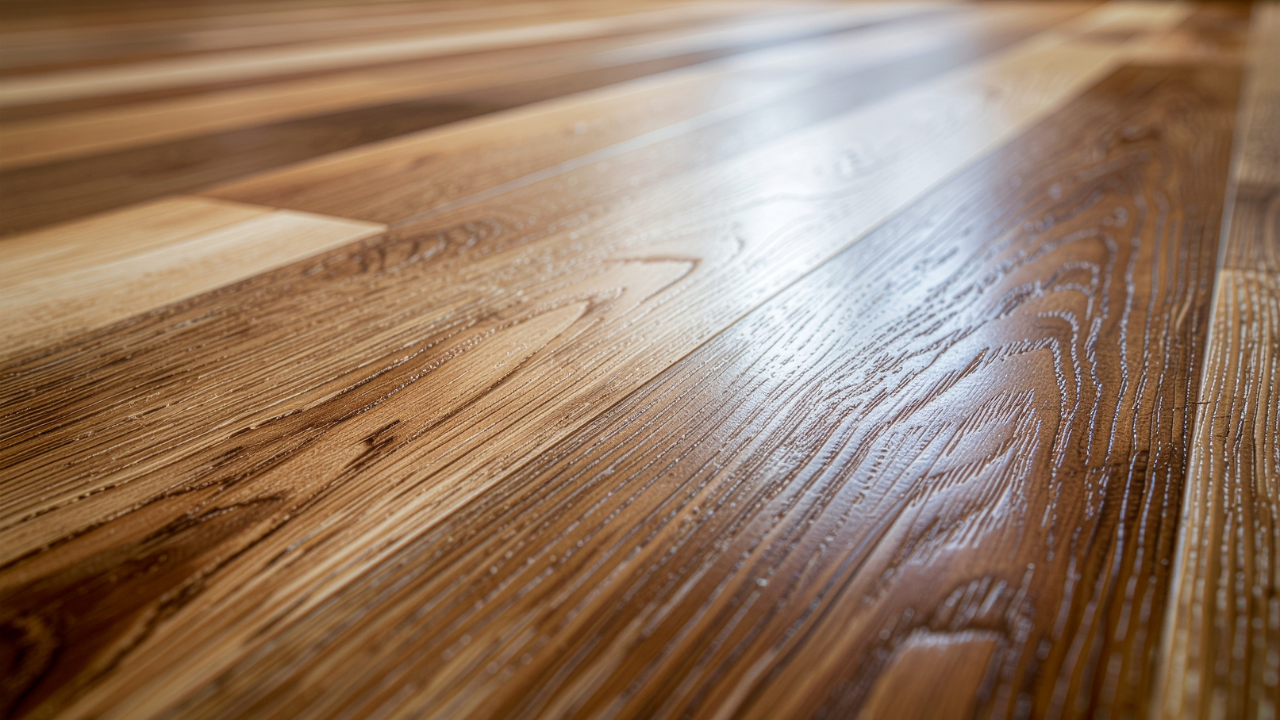
A hardwood floor stain is used to change or enhance the natural colour of wood. It penetrates the surface and highlights the grain, allowing you to customize the appearance of your flooring without replacing it.
In Vancouver homes, this is especially valuable. Many older properties have original wood floors that can be brought back to life with the right stain choice instead of being removed.
Beyond aesthetics, stains also play a role in:
Creating consistency between rooms
Matching flooring to updated interiors
Helping conceal minor imperfections
Enhancing resale appeal
That said, staining is not just a cosmetic decision. It is a technical process that requires proper preparation and experience to get right.
Types Of Hardwood Floor Stains
Not all stain products behave the same way. Choosing the right type of floor stain can impact both the final look and the durability of your floors.
Oil-Based Stains
These are known for their rich colour and deep penetration. They take longer to dry but often provide a more traditional finish.
Water-Based Stains
A popular choice in modern Vancouver homes. They dry faster, have lower odour, and are more environmentally friendly.
Gel Stains
Thicker in consistency, gel stains sit more on the surface and can help create a more uniform appearance on certain wood types.
Each type of hardwood floor stain interacts differently depending on the wood species, which is why professional guidance is important before making a final decision.
How Wood Type Affects Stains
One of the most overlooked aspects of floor stains is how different woods respond to colour.
For example:
Oak absorbs stain evenly and is one of the easiest to work with
Maple can appear blotchy due to its tight grain
Fir, common in Vancouver character homes, can be unpredictable and requires careful preparation
As noted in industry guidance, some species simply do not take stain well and can produce uneven results if handled incorrectly
This is especially relevant in older Vancouver homes, where original softwood floors are common. In many cases, a natural or lightly enhanced finish may be a better option than a darker hardwood floor stain.
Choosing The Right Hardwood Floor Stain Colour
Colour selection is where most homeowners spend the most time. The right stain should complement your space, not compete with it.
Here are a few practical considerations:
Match Your Interior Style
Light stains work well in modern, airy spaces
Mid-tones suit transitional and family homes
Dark stains create a more formal or dramatic look
Consider Natural Light
Homes in Vancouver often experience softer, diffused light due to weather conditions. This can make darker stains appear even deeper and lighter stains more muted.
Test Before Committing
Testing samples directly on your floor is essential. Small sample boards or on-site testing allows you to see how the stain looks in different lighting conditions.
Preparation and testing are critical steps to achieving a consistent finish, as emphasized in professional floor preparation guides.
The Hardwood Floor Staining Process
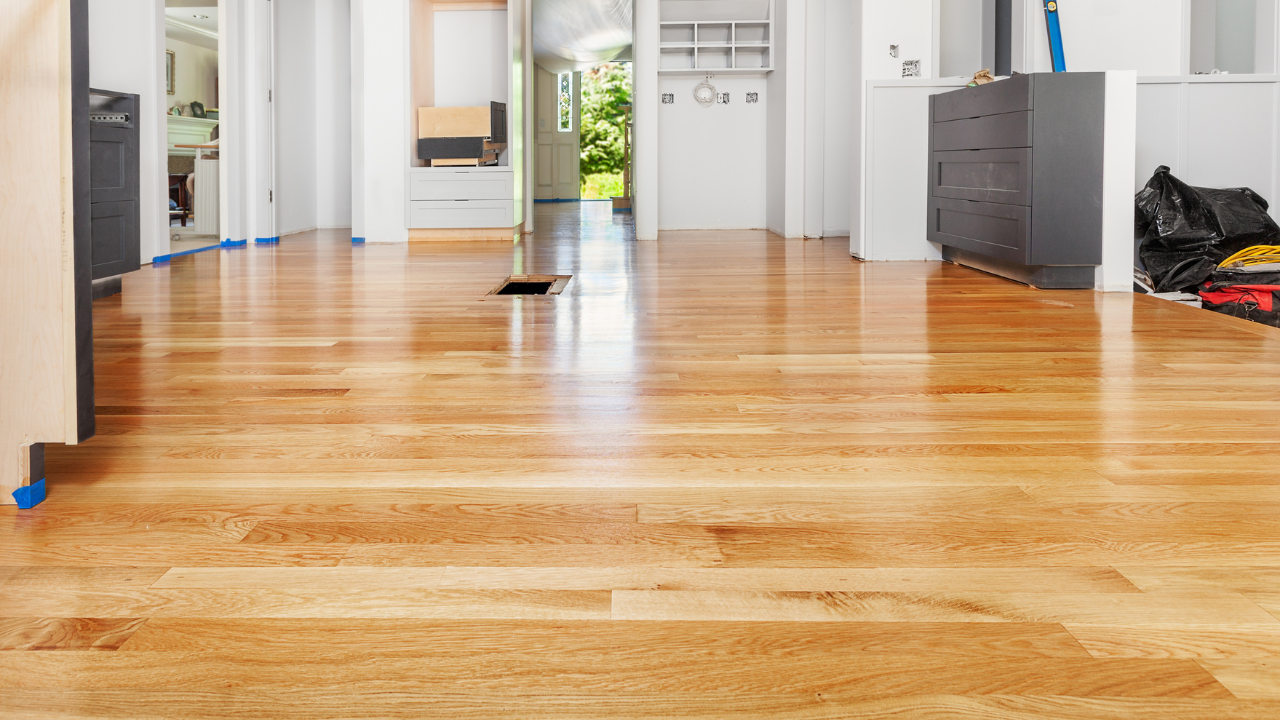
Staining hardwood floors is a multi-step process that requires precision at every stage.
1. Sanding
The existing finish is removed, and the surface is smoothed. Any imperfections left at this stage will be highlighted once the stain is applied.
2. Cleaning
All dust and debris must be removed to ensure even absorption.
3. Application
The stain is applied in sections and carefully blended to avoid lap marks or uneven colour.
4. Drying And Finishing
Once the stain has dried, protective finishes are applied to seal the surface and provide durability.
Each step plays a critical role in the final result. Skipping or rushing any part of the process can lead to visible flaws.
Common Mistakes With Hardwood Floor Stains
Many issues with floor stains come from underestimating how technical the process is.
Here are some of the most common mistakes:
Uneven sanding, which becomes more visible after staining
Choosing a stain that does not suit the wood species
Applying too much product, leading to blotchy results
Not allowing enough drying time before finishing
Stain can actually highlight imperfections rather than hide them, especially scratches or sanding marks. This is why many homeowners choose to work with professionals, particularly for larger or older flooring projects.
Hardwood Floor Stains In Vancouver Homes
Local conditions in Vancouver and surrounding areas have a direct impact on how a stain performs.
Moisture And Humidity
Coastal humidity can affect drying times and how stain penetrates the wood.
Older Homes
Many homes in areas like Vancouver, Burnaby, and New Westminster feature original fir flooring. These require specialized handling when applying.
Condo Living
In condos, ventilation and drying time become even more important due to limited airflow.
Understanding these local factors helps ensure a better, longer-lasting result.
When To Stain Vs When To Keep It Natural
Not every hardwood floor needs a stain. In some cases, a clear finish can provide a cleaner, more natural look while avoiding potential complications.
Staining makes sense when:
You want to change the colour significantly
You are updating the style of your home
You need to blend new and existing flooring
A natural finish may be better when:
The wood has strong natural character
The species does not take stain evenly
You want a simpler, lower-risk option
If you are unsure which direction is right for your space, contact us for guidance based on your specific flooring and home conditions.
Long-Term Care After Applying A Hardwood Floor Stain
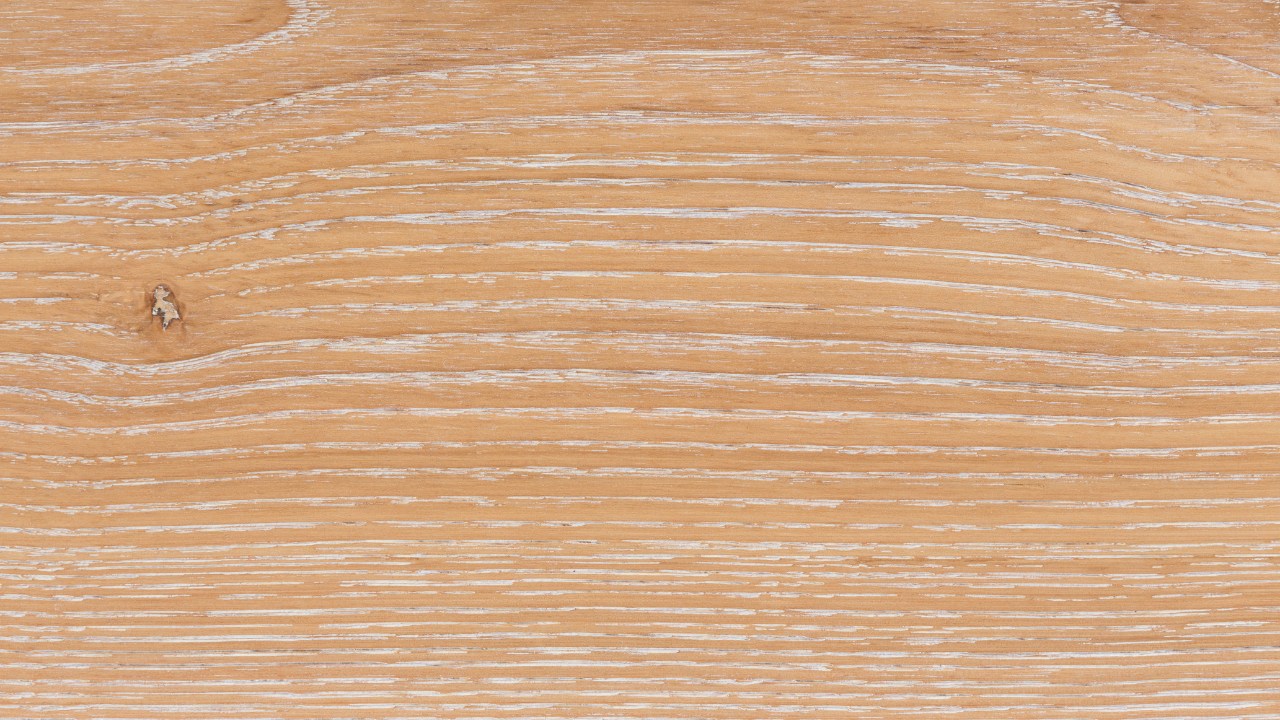
Once your floors are stained and sealed, proper maintenance helps preserve the result.
Key tips include:
Avoid excessive moisture when cleaning
Use felt pads under furniture
Reapply protective finishes as needed over time
Clean regularly with appropriate wood floor products
With proper care, a professionally applied floor stain can last for many years while maintaining its appearance.
Making The Right Choice For Your Home
Choosing a hardwood floor stain is not just about colour. It is about understanding your wood, your home, and the long-term impact of your decision.
In many Vancouver homes, especially older properties, taking the time to evaluate your options can make the difference between a result that looks good and one that truly enhances your space.
If you are planning a staining project and want clarity on what will work best for your floors, you can alwayscontact us to discuss your options.
Frequently Asked Questions
What is a hardwood floor stain?
A floor stain is a product used to change or enhance the colour of wood flooring while highlighting its natural grain.
Does every hardwood floor need stain?
No, some floors look better with a natural finish, especially if the wood has strong character or does not absorb stain evenly.
How long do floor stains take to dry?
Drying times vary, but most stains require at least 24 hours before finishing, with full curing taking several days depending on conditions.
Can hardwood floor stain hide scratches?
It can help minimize the appearance of minor imperfections, but it can also make deeper scratches more visible if the floor is not properly prepared.
Is staining hardwood floors worth it?
Yes, when done correctly. A well-chosen floor stain can refresh your space and improve the overall look of your home without replacing the flooring.
Final Thoughts On Hardwood Floor Stains
A well-executed stain can completely transform your home, but it requires the right approach, preparation, and understanding of your specific flooring.
In Vancouver and the surrounding areas, where wood types and environmental conditions vary widely, taking a thoughtful approach is key. Whether you are updating a modern space or restoring a character home, the right decision will always balance aesthetics, practicality, and long-term performance.
Bring Your Hardwood Floors Back to Life
For over 80 years, Sandover Floors has helped homeowners across Greater Vancouver and the Fraser Valley restore, refinish, and repair their hardwood floors with care and precision. Whether you’re tackling small paint spots or large surface damage, our team knows how to remove paint from hardwood floors without compromising their beauty.
From refinishing and restoration to repair and staining, we make your floors look new again — the right way.
Visit our homepage or contact us today to schedule your free estimate.